

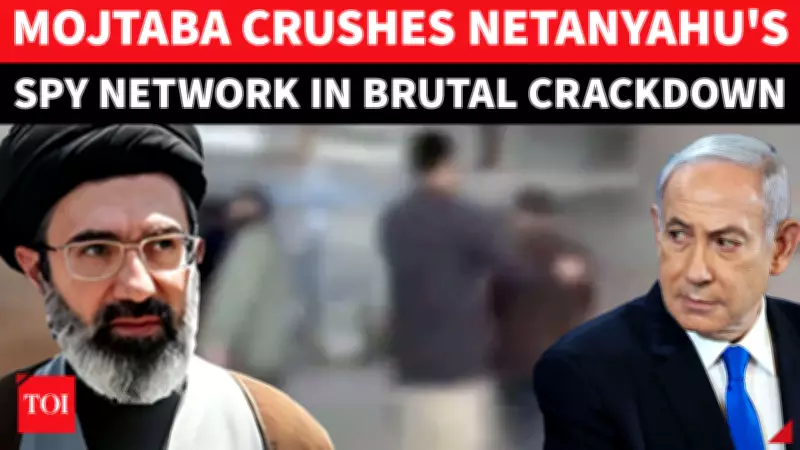
Iran Intensifies Security Crackdown with Arrest of Alleged Israeli Spies
In a dramatic escalation of its internal security measures, Iran has announced the arrest of four individuals accused of spying for Israel. According to reports from the Islamic Republic News Agency, the suspects were apprehended in northern Iran and are alleged to have been operating on behalf of Mossad, Israel's renowned intelligence agency.
Details of the Espionage Allegations
The Islamic Revolutionary Guard Corps, a powerful branch of Iran's military, claims that the arrested individuals were involved in transmitting highly sensitive information. This data reportedly included:
- Detailed images of key military installations
- Precise coordinates of strategic security sites
- Other classified information about Iran's defense infrastructure
The IRGC asserts that this espionage activity represents a direct threat to Iran's national security and military readiness.

Judicial Proceedings and Regional Context
The accused individuals have now been transferred to judicial authorities for prosecution, signaling Iran's determination to pursue legal action against what it describes as foreign intelligence operations. This development comes amid:
- Heightened regional tensions between Iran and Israel
- An ongoing shadow conflict that has previously involved cyber attacks and covert operations
- Broader geopolitical instability in the Middle East
Security analysts note that this arrest represents a significant shift from covert intelligence gathering to overt security enforcement within Iran's borders.
Implications for Iran-Israel Relations
The timing of these arrests is particularly noteworthy as it coincides with increased military posturing in the region. While Israel has not officially commented on these specific allegations, the incident underscores the deepening intelligence war between the two nations.
Regional observers suggest that Iran's public announcement of these arrests serves multiple purposes:
- Demonstrating domestic security capabilities to the Iranian population
- Sending a warning message to foreign intelligence agencies
- Justifying increased internal surveillance measures
The case highlights how what was once described as a "shadow war" between Iran and Israel is increasingly becoming a matter of public security operations and judicial proceedings within Iranian territory.






