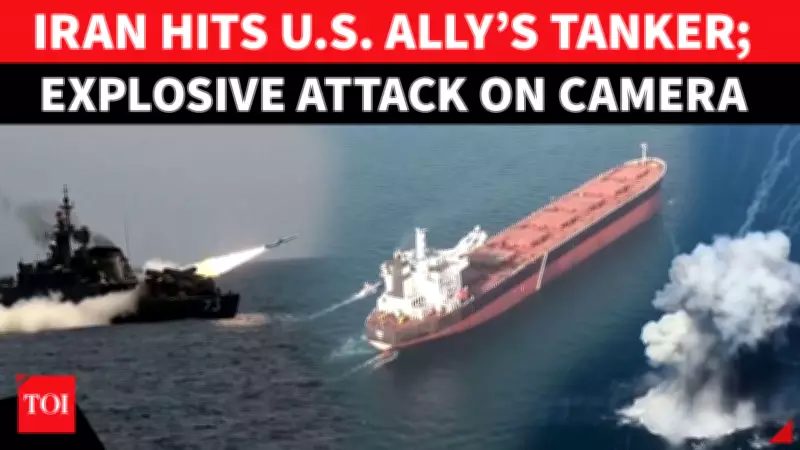
Iran's Explosive Boats Ram Oil Tankers, 200 Ships Stranded As Oil Prices Surge 14% In Five Days
Iran's aggressive assault on shipping in the Gulf has now entered its fifth consecutive day, showing no signs of abatement. This sustained conflict has resulted in a total of nine vessels being targeted since the hostilities commenced on Saturday, according to recent reports.
Details of the Attacks
In a significant escalation, an explosive-laden remote-controlled boat deliberately rammed a Bahamas-registered crude oil tanker near Iraq's Khor al-Zubair port. Simultaneously, a second tanker anchored off the coast of Kuwait suffered a massive explosion, leading to severe damage, water intake, and an oil leak. These incidents highlight the increasing sophistication and brazenness of the attacks.
Impact on Global Shipping and Oil Markets
The repercussions are severe and widespread. Approximately 200 vessels are currently stranded in the open waters of the Gulf, unable to proceed due to safety concerns. Additionally, hundreds more ships are waiting outside the critical Strait of Hormuz, a vital chokepoint for global oil transit. This disruption has triggered a sharp 14 percent surge in oil prices over the past five days, rattling international energy markets and raising fears of supply shortages.

Strategic Background and Implications
The targeting of Gulf shipping is reportedly part of a strategic plan devised by the late Supreme Leader Ayatollah Ali Khamenei, indicating a long-term, calculated approach by Iran. This ongoing conflict underscores the volatile geopolitical tensions in the region, with potential ramifications for global trade and security. The situation remains fluid, with authorities and stakeholders closely monitoring developments to assess further impacts on maritime operations and economic stability.