

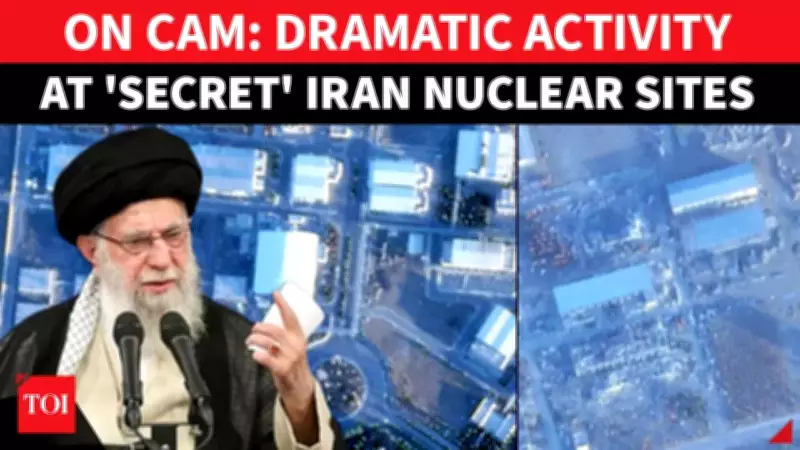
Iran Erects Protective Roofs Over Damaged Nuclear Facilities to Conceal Activities
Recent satellite images have unveiled a significant development at Iran's nuclear sites, with new roofs being constructed over facilities at Natanz and Isfahan that were damaged in bombings last year. This marks the first major visible activity observed at these locations since June, sparking intense speculation among international analysts and observers.
Satellite Surveillance Blocked Amid Escalating Geopolitical Tensions
The newly built coverings effectively block satellite surveillance, preventing external monitoring of ground activities. This move comes at a time when tensions between Iran and the United States continue to escalate, with ongoing geopolitical pressure mounting on Tehran. The International Atomic Energy Agency (IAEA) inspectors have been denied access to these sites, further complicating international oversight efforts.
Analysts suggest that Iran may be attempting to conceal salvage operations and assess what materials survived the bombings rather than undertaking full-scale reconstruction of nuclear operations. This strategic concealment raises critical questions about Iran's nuclear intentions and its compliance with international agreements.

Background of the Bombings and Current Strategic Implications
The facilities at Natanz and Isfahan were targeted in bombings last year by Israel and the United States, causing significant damage. Since then, there has been limited visible activity until these recent developments. The construction of roofs indicates a deliberate effort by Iran to shield its nuclear sites from external observation, particularly from US surveillance capabilities.
This development occurs against a backdrop of heightened war threats and diplomatic strains. The blocking of IAEA access combined with these new protective measures suggests Tehran is prioritizing opacity in its nuclear program, potentially as a response to increasing US military and political pressure in the region.
International Reactions and Future Monitoring Challenges
The international community is closely monitoring these developments, with concerns growing about Iran's nuclear ambitions. The lack of transparency and restricted access for inspectors make it challenging to verify the nature of activities at these sites. This situation underscores the ongoing complexities in Middle Eastern geopolitics and the delicate balance of power involving Iran, the US, and other regional actors.
As tensions persist, the effectiveness of satellite imagery as a monitoring tool is now compromised, necessitating alternative methods for intelligence gathering and diplomatic engagement to address potential nuclear proliferation risks.






