Iran Nears Acquisition of Chinese Supersonic Anti-Ship Missiles
Iran is reportedly in the final stages of negotiating a significant arms deal with China to purchase advanced anti-ship cruise missiles, according to a Reuters report citing six informed sources. This development comes at a critical juncture, as the United States has been deploying substantial naval forces near the Iranian coastline, heightening regional tensions.
Details of the Proposed Missile System
The deal centers on the Chinese-made CM-302 supersonic anti-ship missiles, which are designed to pose a formidable threat to naval assets. These missiles boast a reported range of approximately 290 kilometers and are engineered to evade shipborne defenses by flying at low altitudes and high speeds. Weapons experts have emphasized that this capability would represent a major enhancement for Iran's military posture.
"It's a complete gamechanger if Iran has supersonic capability to attack ships in the area," stated Danny Citrinowicz, a former Israeli intelligence officer and senior Iran researcher at Israel's Institute for National Security Studies. "These missiles are very difficult to intercept."

Timeline and Diplomatic Context
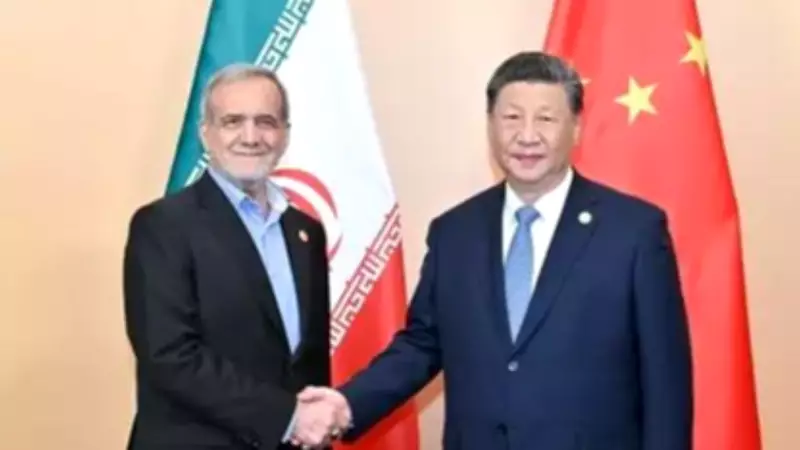
Negotiations between Iran and China are said to have commenced at least two years ago, but they gained considerable momentum following the 12-day war between Israel and Iran in June. As talks progressed into their final phases last summer, high-ranking Iranian officials, including Deputy Defence Minister Massoud Oraei, made visits to China, according to two security officials. Oraei's trip had not been previously disclosed.
Specific details regarding the number of missiles involved, the financial terms of the agreement, and whether China will proceed given the current volatile situation remain unclear. An Iranian foreign ministry official commented to Reuters, "Iran has military and security agreements with its allies, and now is an appropriate time to make use of these agreements."
International Reactions and Sanctions Background
The Chinese delegation to the United Nations directed inquiries to Beijing's foreign ministry, which did not respond to requests for comment. Similarly, the White House did not directly address the reported negotiations. However, a White House official referenced President Donald Trump's stance, noting he has been clear that "either we will make a deal or we will have to do something very tough like last time," alluding to the ongoing standoff with Iran.
This potential arms transfer would mark one of the most sophisticated weapons systems supplied by China to Iran, occurring against a backdrop of complex sanctions. A United Nations arms embargo was initially imposed in 2006, suspended in 2015 as part of the nuclear deal, and reimposed in September of last year.
Broader Implications for Regional Security
China, Iran, and Russia regularly conduct joint naval exercises, underscoring their military cooperation. Last year, the US Treasury sanctioned several Chinese entities for allegedly providing chemical precursors to Iran's Islamic Revolutionary Guard Corps for use in ballistic missile programs. China has denied these allegations, asserting strict enforcement of export controls on dual-use products.
The reported missile deal is poised to deepen military ties between Beijing and Tehran, further complicating US efforts to curb Iran's missile and nuclear programs. As American forces continue to gather in the region, this development adds a new layer of complexity to the already tense geopolitical landscape in the Middle East.