

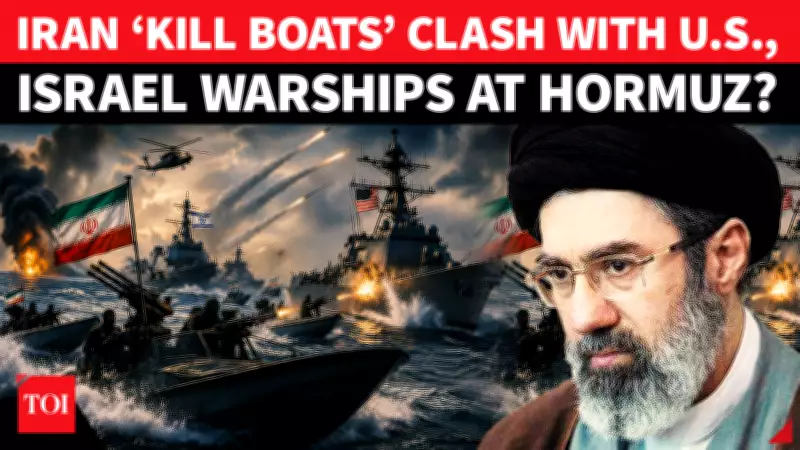
Iran Announces Naval Interception in Critical Strait of Hormuz
In a significant development that could escalate regional tensions, Iran has publicly claimed that its naval forces successfully intercepted and forced a retreat of United States and Israeli military units operating near the strategically vital Strait of Hormuz. The announcement was made by Rear Admiral Shahram Irani, who stated that the attempted movements toward the Sea of Oman were detected and countered using what he described as "covert and deceptive" tracking methods.
Details of the Alleged Naval Confrontation
According to Iranian military officials, the incident involved advanced surveillance and interception techniques that compelled the foreign naval vessels to withdraw from the area. The Strait of Hormuz is one of the world's most crucial maritime chokepoints, serving as a primary artery for global energy supplies, with approximately one-fifth of the world's oil passing through its waters. This claim comes at a time of heightened geopolitical friction over control and security of this key route.
Rear Admiral Irani emphasized the operational success without providing specific details about the types of ships involved or the exact timing of the encounter. However, he highlighted the use of sophisticated tracking systems that allegedly allowed Iranian forces to monitor and respond to the movements effectively.

Lack of Confirmation from US and Israeli Authorities
As of now, there has been no official confirmation or statement from United States Central Command or any US government officials regarding the alleged incident. Similarly, Israeli authorities have remained silent on the matter. This absence of verification raises questions about the accuracy and timing of Iran's claims, which are being viewed by analysts as part of a broader narrative battle in the region.
The situation underscores the complex dynamics where military positioning is increasingly accompanied by information warfare. With limited independent verification available, both sides appear to be projecting strength and capability to influence regional perceptions and deter potential adversaries.
Broader Context of Rising Tensions
The Strait of Hormuz has long been a flashpoint in international relations, particularly between Iran and Western powers. Recent months have seen a series of provocative statements and military posturing from various actors, including:
- Threats from Iranian officials about potentially choking the strait in response to perceived aggression.
- Increased US naval presence in the Middle East, with aircraft carriers like the USS Gerald R. Ford being deployed to the region.
- Ongoing diplomatic and economic pressures related to Iran's nuclear program and regional activities.
This latest claim by Iran fits into a pattern of asserting sovereignty and military prowess in the face of external pressures. It also highlights the strategic importance of controlling maritime narratives, where claims of successful interceptions can serve as powerful tools for domestic and international audiences.
Implications for Global Energy Security
Any significant disruption in the Strait of Hormuz could have immediate and severe consequences for global energy markets and economic stability. The waterway is essential for the transportation of oil from major producers in the Persian Gulf to consumers worldwide. Therefore, incidents or claims of naval confrontations in this area are closely monitored by:
- International shipping companies and insurers.
- Energy traders and market analysts.
- Governments dependent on Middle Eastern oil imports.
The lack of independent verification in this case adds an element of uncertainty, making it challenging to assess the actual risk level and potential impact on maritime traffic. However, it reinforces the need for transparent communication and confidence-building measures to prevent miscalculations that could lead to broader conflicts.

As tensions continue to simmer, the international community will be watching closely for any official responses from the US and Israel, as well as further developments in this strategically sensitive region. The interplay between military actions and public claims will likely remain a key feature of the geopolitical landscape around the Strait of Hormuz in the coming months.





