

Iran Dismisses Trump's Uranium Transfer Claims as Baseless
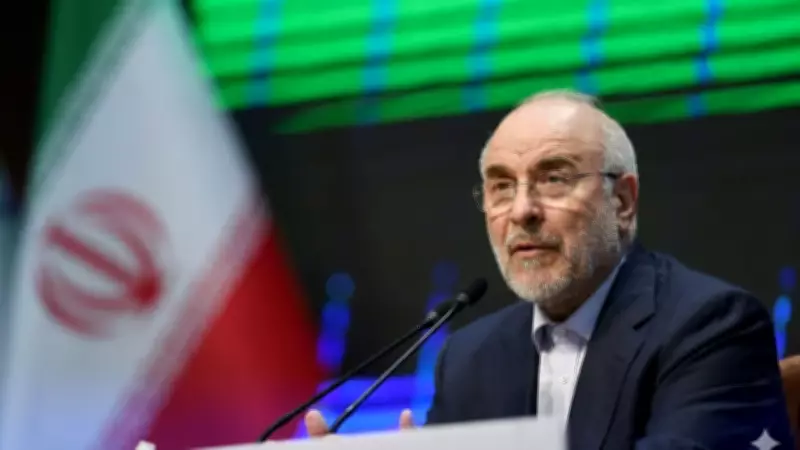
In a sharp rebuke to recent statements from the United States, Iranian officials have categorically denied President Donald Trump's assertions regarding the transfer of enriched uranium. Tehran has labeled these claims as "seven lies," emphasizing that the issue has never been part of formal negotiations. Iranian Foreign Ministry spokesperson Esmaeil Baqaei stated unequivocally that the country's nuclear stockpile "is not going to be transferred anywhere," reinforcing Iran's commitment to existing international nuclear agreements. This denial comes despite Trump's repeated optimism, with the US president claiming that a deal with Iran is "very close" and that there are "no sticking points" remaining. He has suggested potential collaboration on recovering nuclear material from previously targeted sites, all while maintaining economic and naval pressure until a formal agreement is finalized.
Strait of Hormuz Reopening Sends Oil Markets into Turmoil
The announcement by Iran that the Strait of Hormuz has been reopened to commercial vessels has triggered a dramatic shift in global energy markets. Oil prices experienced a sharp decline, with Brent crude falling from peaks near $120 per barrel to approximately $90.38. This drop has provided some relief to inflation concerns worldwide, yet uncertainty persists. Competing statements from Washington and Tehran indicate that maritime restrictions may continue, with the US insisting on maintaining a naval blockade until broader political conditions are met. Iranian parliamentary speaker Mohammad Bagher Ghalibaf warned that if the blockade persists, the strait might not remain fully open, with navigation following "designated routes" under Iranian oversight.
Lebanon Ceasefire Holds Amid Fragile Diplomacy
Lebanon has entered what President Joseph Aoun describes as a "new phase" following a ceasefire agreement with Israel. Aoun emphasized that upcoming talks with Israel are not concessions but necessary steps to preserve sovereignty and stability. However, the truce remains fragile, with reports of sporadic violence continuing in southern Lebanon, including civilian casualties from Israeli strikes. This highlights the ongoing tensions in the region despite diplomatic efforts.

International Involvement and Multilateral Initiatives
Global actors are increasingly engaging in efforts to de-escalate the Middle East crisis. France and the United Kingdom have announced plans for a multinational mission to secure navigation in the Strait of Hormuz, aiming to safeguard commercial shipping routes. Concurrently, US and Saudi officials have coordinated discussions on both maritime security and the consolidation of the Lebanon ceasefire. Additionally, reports suggest that Pakistan may host the next round of US-Iran talks, signaling its emerging role as a mediator in regional diplomacy. Pakistani Army Chief Asim Munir's recent meetings with Iranian officials, including Parliament Speaker Mohammad Bagher Ghalibaf, underscore the back-channel efforts to revive stalled negotiations over Iran's nuclear program.
Economic and Strategic Implications
The ongoing conflict has had profound economic repercussions, with the disruption removing around 500 million barrels of crude oil from the global market—the largest energy supply disruption in modern history, according to analytics firm Kpler. While the reopening of the Strait of Hormuz has eased oil price volatility, defence and aerospace sectors are experiencing increased demand due to sustained regional instability. Iran has also called on the United Nations to take stronger action against what it terms acts of "aggression," criticizing the UN Security Council for what it perceives as a one-sided response to attacks.

Key Takeaways from the Evolving Crisis
- Iran firmly denies US claims of uranium transfer, insisting the issue was never part of negotiations.
- Trump maintains optimism about a near-complete deal while continuing naval and economic pressure.
- Reopening of the Strait of Hormuz causes oil prices to crash, alleviating global market fears temporarily.
- Lebanon ceasefire remains precarious with ongoing sporadic violence threatening stability.
- Multinational security initiatives are emerging, led by the UK and France to protect maritime routes.
- US-Saudi coordination intensifies on issues ranging from Hormuz security to Lebanon's truce.
- Pakistan emerges as a potential venue for US-Iran talks, highlighting broader regional mediation efforts.
- Regional conflict persists unresolved despite diplomatic moves and economic relief signals.
The latest developments underscore the complex interplay of diplomacy, military action, and economic factors in the Middle East. As tensions around Iran's nuclear program, the Strait of Hormuz, and Israel-Lebanon relations continue to evolve, the global community watches closely, hoping for a sustainable resolution to the crisis.





