

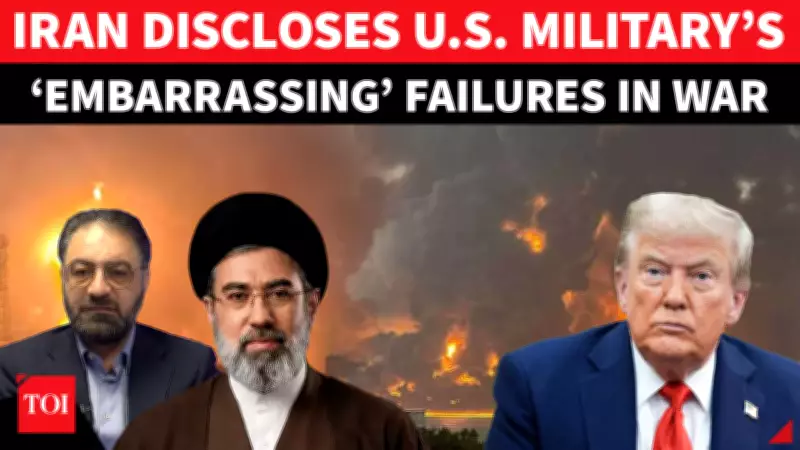
Iranian Analyst Warns Trump's Hormuz Blockade Could Exacerbate US Troubles
In a sharp critique of former US President Donald Trump, Iranian political expert Mohammad Ghaderi has issued a stark warning about the escalating tensions in the Middle East. Speaking in an interview on April 15, 2026, Ghaderi accused Trump of deepening the crisis through military actions and a naval blockade in the strategic Strait of Hormuz.
Ghaderi's Accusations Against US Strategy
Ghaderi argued that the United States' approach under Trump is not aimed at securing global shipping routes but rather restricting them. He emphasized that this blockade could have severe unintended consequences, potentially backfiring and worsening America's geopolitical position. According to Ghaderi, Washington's actions are contributing to increased instability in the region instead of resolving the ongoing tensions with Iran.
He further alleged that Trump is unwilling to accept defeat in the conflict with Iran, suggesting that this stubbornness could lead to prolonged hostilities. The analyst highlighted how such military escalations might isolate the US internationally and strain its alliances.

Implications of the Strait of Hormuz Blockade
The Strait of Hormuz is a critical chokepoint for global oil shipments, and any disruption there can have far-reaching economic impacts. Ghaderi warned that a blockade could trigger retaliatory measures from Iran and other nations, escalating into a broader regional conflict. This, in turn, might exacerbate existing US problems, including diplomatic challenges and economic pressures.
He pointed out that the US strategy risks alienating key partners and could undermine efforts to maintain peace in the Middle East. Ghaderi's comments come amid heightened tensions, with recent reports of military movements and diplomatic standoffs involving various global powers.
Broader Context of US-Iran Relations
The ongoing conflict between the US and Iran has seen multiple phases of escalation, with Trump's policies often at the center of controversy. Ghaderi's analysis aligns with concerns from other experts who fear that aggressive posturing could lead to unintended military confrontations. The situation remains fluid, with international observers closely monitoring developments in the Gulf region.
In summary, Mohammad Ghaderi's warning underscores the potential risks of Trump's approach in the Strait of Hormuz. As the crisis unfolds, the global community watches anxiously, hoping for de-escalation to prevent further deterioration of US-Iran relations and regional stability.






