

Iran Hints at Potential Closure of Bab el-Mandeb Strait After Hormuz Threats
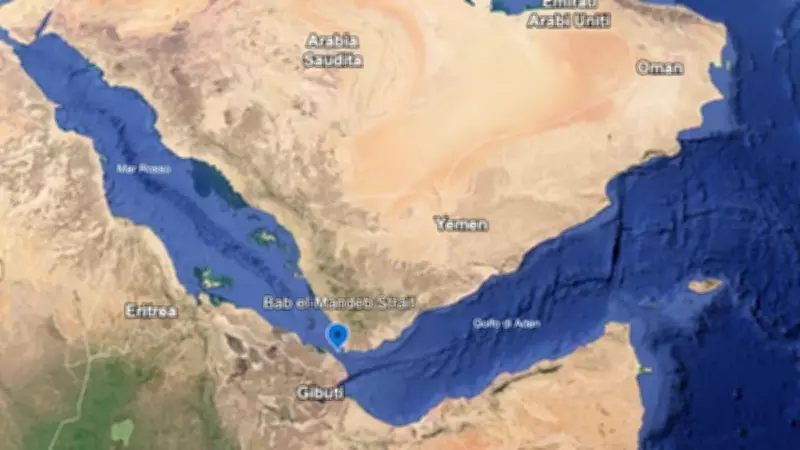
A senior Iranian official has dropped a significant hint that Iran might consider closing the Bab el-Mandeb Strait, a critical maritime chokepoint, following its previous threats to block the Strait of Hormuz. This development marks a serious escalation in geopolitical tensions, potentially disrupting global oil supplies and international trade routes.
Escalation in Strategic Maritime Chokepoints
The Bab el-Mandeb Strait, located between the Horn of Africa and the Arabian Peninsula, is a vital passage for oil tankers and cargo ships traveling between the Indian Ocean and the Mediterranean Sea via the Suez Canal. It sees approximately 6.2 million barrels of oil per day, making it one of the world's most crucial shipping lanes. Iran's suggestion of closing this strait comes amid ongoing regional conflicts and heightened military posturing in the Middle East.
This move follows Iran's longstanding threats to shut down the Strait of Hormuz, another key oil transit route that handles about 21 million barrels of oil daily. The dual focus on these straits underscores Iran's strategic leverage in global energy markets, as both passages are essential for the transportation of crude oil from the Persian Gulf to international markets.

Implications for Global Oil Markets and Trade
If Iran proceeds with closing the Bab el-Mandeb Strait, it could have severe repercussions for global oil prices and supply chains. The disruption would force ships to take longer alternative routes, such as around the Cape of Good Hope, increasing shipping costs and delivery times. This could lead to spikes in oil prices, affecting economies worldwide, particularly those heavily reliant on imported oil.
Moreover, such actions could trigger broader geopolitical conflicts, involving other regional powers and international naval forces that patrol these waters to ensure safe passage. The United States and its allies have previously warned against any attempts to block these straits, citing the need for freedom of navigation and stability in global trade.
Iran's Strategic Calculations and Regional Dynamics
Iran's hints at closing the Bab el-Mandeb Strait are likely part of a broader strategy to exert pressure in response to international sanctions and diplomatic isolation. By targeting these chokepoints, Iran aims to demonstrate its capability to influence global energy security, potentially as a bargaining chip in negotiations or as a deterrent against perceived threats.
The situation is further complicated by ongoing conflicts in Yemen, where Houthi rebels, backed by Iran, have previously targeted ships in the Red Sea and Bab el-Mandeb area. This adds a layer of proxy warfare to the tensions, raising concerns about increased military engagements and instability in the region.
International observers are closely monitoring Iran's next steps, as any move to block these straits could escalate into a full-blown crisis, with far-reaching consequences for global peace and economic stability. Diplomatic efforts are underway to de-escalate tensions, but the risk of miscalculation remains high.






