

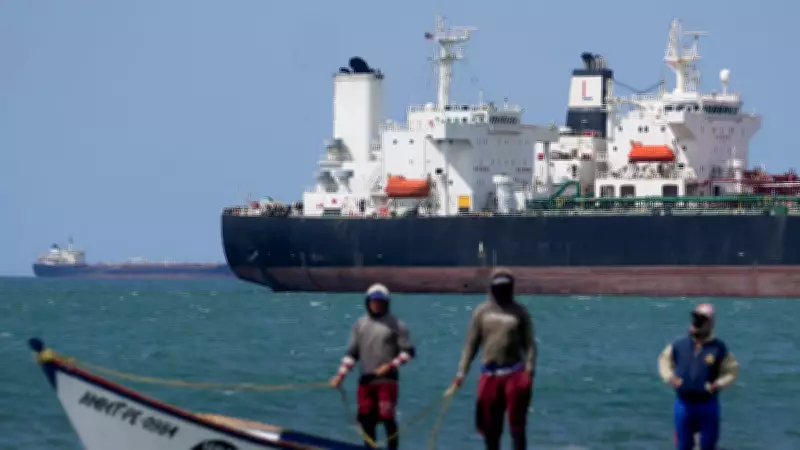
Iran Claims Responsibility for Missile Strikes on UK and US Oil Tankers in Strait of Hormuz
In a significant escalation of regional tensions, Iran has officially claimed responsibility for missile strikes targeting oil tankers operated by the United Kingdom and the United States in the strategically vital Strait of Hormuz. This incident, reported on March 1, 2026, marks a direct confrontation in one of the world's most crucial maritime chokepoints for global oil shipments.
Details of the Attack and Immediate Aftermath
The Iranian military stated that its forces launched precision-guided missiles at the vessels, which were identified as commercial oil tankers flying the flags of the UK and US. The Strait of Hormuz, a narrow waterway connecting the Persian Gulf to the Gulf of Oman, is a critical artery through which approximately one-fifth of the world's oil supply transits daily. Initial reports indicate that the strikes caused significant damage to the tankers, though the extent of casualties or environmental impact remains unclear as rescue and assessment operations are underway.
This aggressive action by Iran is seen as a retaliatory move amid ongoing geopolitical frictions with Western nations over sanctions, nuclear negotiations, and regional influence. The targeting of commercial shipping in such a sensitive area underscores the volatile security landscape in the Middle East and poses immediate threats to international trade and energy security.

Global Reactions and Potential Consequences
Governments in London and Washington have condemned the attacks, with officials calling for emergency meetings of the United Nations Security Council to address what they describe as an unprovoked act of aggression. The UK and US are likely to consider diplomatic and military responses, including potential sanctions or naval deployments to secure the strait. Meanwhile, oil prices have surged in global markets due to fears of supply disruptions, highlighting the economic ripple effects of such incidents.
Analysts warn that this escalation could lead to broader conflicts, involving other regional powers and impacting global stability. The Strait of Hormuz has been a flashpoint in the past, with previous incidents involving tanker seizures and attacks, but this direct missile strike represents a notable intensification.
Broader Implications for International Relations
The incident raises critical questions about maritime security and the enforcement of international law in contested waters. Key implications include:
- Increased Military Presence: Nations may bolster naval patrols in the region, heightening the risk of accidental clashes.
- Economic Impact: Disruptions in oil shipments could lead to higher fuel costs worldwide, affecting economies already grappling with inflation.
- Diplomatic Strain: Efforts to revive nuclear deals or ease tensions between Iran and the West could be severely undermined.
- Regional Stability: Neighboring countries, such as Saudi Arabia and the UAE, may reassess their security strategies in response to Iran's actions.
As investigations continue, the international community watches closely, with calls for de-escalation to prevent a full-blown crisis. This event serves as a stark reminder of the fragile balance in global energy corridors and the ongoing geopolitical rivalries that threaten to disrupt them.






