

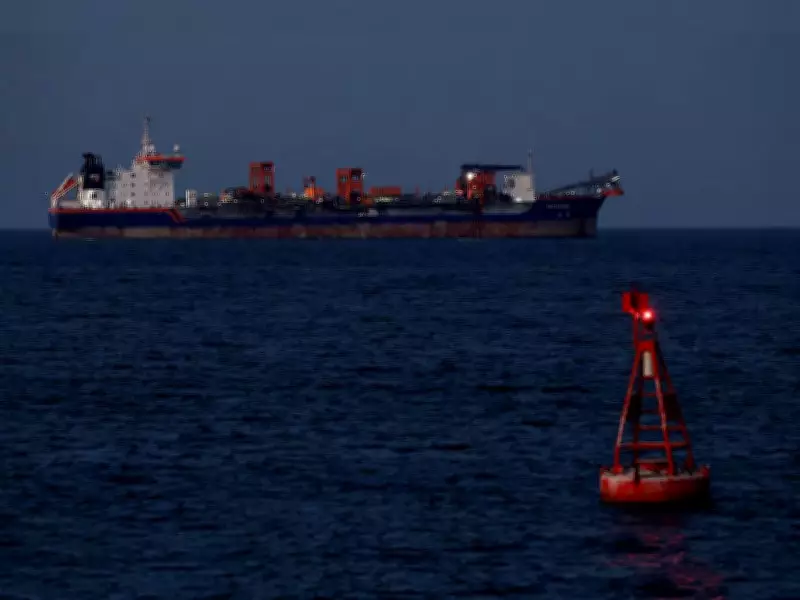
Iranian Navy Confrontation Forces Indian Vessels from Strait of Hormuz
In a significant escalation of maritime tensions in the Middle East, the Iranian Navy has reportedly engaged in a hostile incident involving Indian commercial vessels. According to recent reports, Iranian naval forces fired shots and forcibly expelled Indian ships from the strategically vital Strait of Hormuz. This event underscores the volatile security environment in one of the world's most crucial shipping lanes.
Details of the Maritime Incident
The confrontation occurred as Indian vessels were navigating through the Strait of Hormuz, a narrow chokepoint that serves as a gateway for a substantial portion of global oil shipments. Iranian Navy personnel allegedly targeted the ships with gunfire, although specific details regarding casualties or damage remain unconfirmed at this time. Following the shooting, the Iranian forces issued directives compelling the Indian vessels to immediately vacate the area, leading to their forced exit from the strait.
This incident highlights the ongoing geopolitical friction in the region, where Iran has previously asserted its military presence to monitor and control maritime traffic. The Strait of Hormuz is not only economically critical but also a flashpoint for international disputes, particularly involving Iran's relations with other nations.

Regional and International Implications
The forced expulsion of Indian vessels by the Iranian Navy raises serious concerns about freedom of navigation and the safety of commercial shipping in international waters. India, as a major global economy with significant energy imports passing through this route, may face disruptions to its trade and diplomatic challenges in responding to such actions.
Key aspects of this development include:
- The potential impact on India's maritime security and economic interests in the Middle East.
- Increased risks for international shipping companies operating near Iranian territorial waters.
- Possible diplomatic fallout between India and Iran, two nations that have maintained complex but generally cooperative relations in the past.
Authorities from both countries are expected to investigate the incident thoroughly, with Indian officials likely seeking clarifications and assurances to prevent future occurrences. The broader international community, including organizations like the United Nations, may also monitor the situation closely, given its implications for global trade and regional stability.
Background and Context
The Strait of Hormuz is a narrow sea passage between the Gulf of Oman and the Persian Gulf, bordered by Iran and Oman. It is a critical artery for the global energy market, with approximately one-fifth of the world's oil consumption transiting through it daily. Iran has historically used its naval capabilities to assert control over this area, often in response to geopolitical tensions, such as those with the United States and its allies.
This incident involving Indian vessels is not isolated; similar confrontations have occurred in the past with ships from other nations, reflecting Iran's strategy to demonstrate its military prowess and influence in regional waters. However, the targeting of Indian ships marks a notable escalation, potentially straining bilateral ties and prompting calls for enhanced maritime security measures.
As developments unfold, stakeholders in the shipping industry and international diplomacy will be watching closely to assess the long-term consequences of this confrontation.






