Iranian President Pezeshkian Condemns US Strike on IRIS Dena as 'Inhumane Crime'
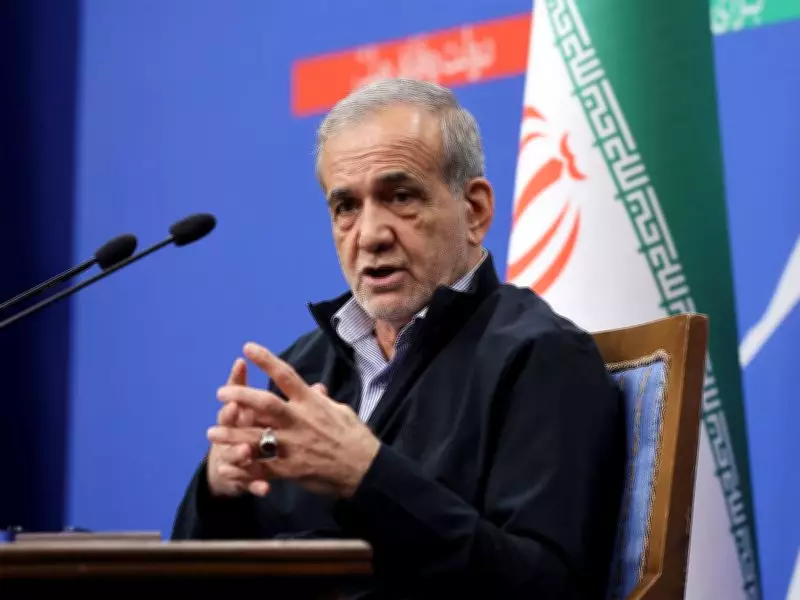
Iranian President Masoud Pezeshkian has reiterated his condolences for the sailors lost aboard the Islamic Republic of Iran Ship (IRIS) Dena, which was sunk by a US torpedo strike. In a post on social media platform X, he denounced the attack as an 'inhumane crime', emphasizing that Iran continues to mourn the tragic loss of naval personnel.
Details of the Naval Tragedy
The IRIS Dena frigate was struck approximately 40 nautical miles off the coast of Galle in Sri Lanka on March 4, leading to its sinking. Of the estimated 180 crew members on board, over 80 sailors are reported dead, with survivors rescued by the Sri Lankan Navy and hospitalized in Galle. President Pezeshkian expressed solidarity with the families of the victims, stating, 'The names of the proud men of the Navy will remain tall and enduring, like the steadfast peaks of Dena.'
International Response and Rescue Efforts
Following the incident, the Indian Navy deployed INS Tarangini and INS Ikshak, along with maritime patrol aircraft such as P8Is, to assist in Sri Lanka-led search and rescue operations. This collaborative effort aimed to locate survivors and recover the fallen sailors, highlighting the regional impact of the maritime conflict.

Escalating Regional Tensions
This development occurs amid heightened hostilities that began on February 28 with the killing of Iran's Supreme Leader, Ayatollah Ali Khamenei, in joint military strikes by the US and Israel. In retaliation, Iran targeted Israeli and US assets in Gulf countries and Israel, disrupting the Strait of Hormuz—a critical global energy transit route. The closure has affected international energy markets and global economic stability, with Mojtaba Khamenei appointed as the new Supreme Leader following his father's death.
President Pezeshkian's Statement
In his social media post, President Pezeshkian condemned the US strike, extending condolences to the patient families and comrades of the fallen sailors. He emphasized the enduring legacy of the naval personnel, framing the incident as part of broader geopolitical tensions in the region.