Iran Protests Death Toll Climbs Past 3,000, Deadliest Unrest in Decades
Rights activists announced on Saturday that the death toll from nationwide protests in Iran has exceeded 3,000. This marks the country's deadliest internal violence in decades. The US-based Human Rights Activists News Agency, known as HRANA, verified 3,090 deaths. Among these, 2,885 were protesters.
Crackdown Quells Demonstrations Temporarily
Residents across Iran report that a sweeping government crackdown has largely quelled demonstrations for now. State media confirmed more arrests as authorities tightened control. Several residents contacted by international news agencies said Tehran remained relatively quiet over the past four days.
Drones were seen flying over parts of the capital, but no major street protests occurred on Thursday or Friday. A resident from a northern city near the Caspian Sea reported a similar lull, describing streets as calm.

Protests Evolved from Economic Grievances to Political Challenges
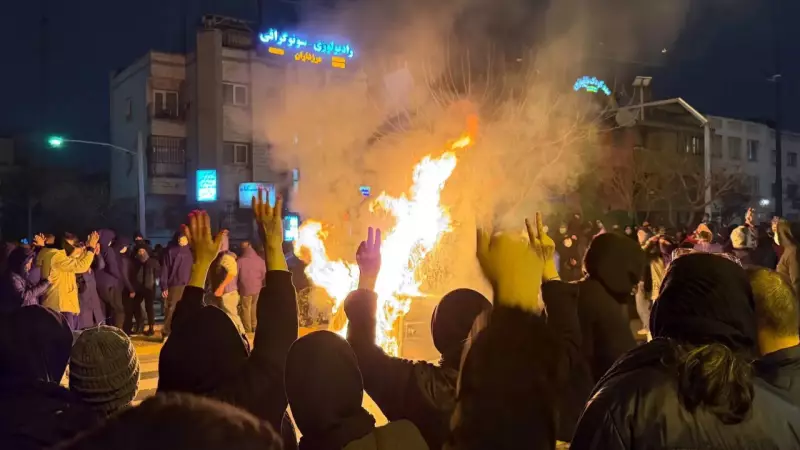
The protests initially erupted on December 28 over economic hardship. Rising prices and job insecurity pushed angry traders, university students, and urban residents onto the streets. Major cities like Tehran, Mashhad, and Isfahan saw significant demonstrations.
What began as economic protests quickly escalated into widespread rallies against Iran's clerical leadership. Demonstrators directly targeted Supreme Leader Ayatollah Ali Khamenei, who is 86 years old. Images from Tehran showed graffiti and chants calling for his death.
Opposition groups and an Iranian official have also placed the death toll at over 2,000. They describe this as the worst internal violence since the 1979 Islamic Revolution. Violence peaked late last week before the current lull.
Internet Connectivity Shows Slight Improvement After Extended Blackout
Despite the relative calm, communications remain severely restricted across Iran. Internet monitoring group NetBlocks reported a very slight rise in connectivity after approximately 200 hours of shutdown.
The group posted on social media platform X that metrics showed this minor improvement. However, they emphasized that connectivity still stands at around 2% of normal levels. The eight-day blackout had completely cut off most Iranians from global networks.
International Reactions and Statements
The situation has drawn significant international attention. US President Donald Trump reacted to reports of planned executions in Iran. He stated that Iran's leaders had halted scheduled hangings, though Iranian authorities have not confirmed any such plans or cancellations.
Earlier this week, Trump told reporters that the killing appeared significant. He added that once figures were confirmed, the United States would act accordingly. His comments followed BBC reports about the unfolding crisis.
Impact on Foreign Nationals in Iran
Foreign nationals residing in Iran have also been affected by the unrest and communications blackout. Indian students and pilgrims returning from the country reported being mostly confined to their accommodation. They were unable to communicate with their families back home due to the internet restrictions.
The combination of security crackdowns and communication blackouts has created an information vacuum. Rights groups continue to document casualties while residents navigate the uncertain situation.