Iran Enters Uneasy Calm After Weeks of Violent Protests
Iran has slipped into an uneasy calm following weeks of widespread protests. The demonstrations, which erupted in late December, appear to have been largely suppressed by a severe security crackdown. Activists report that at least 3,090 people have lost their lives during the government's forceful response.
Protests Evolve from Economic Grievances to Political Challenge
The protests began over economic hardship and a rapidly weakening currency. They quickly evolved into a direct challenge against Iran's clerical leadership. For several days now, no protests have been reported in Tehran or other major cities. Daily life in the capital has largely resumed, though tension remains palpable in the air.
A nationwide internet shutdown continues to restrict communication. Monitoring group NetBlocks reported only a marginal improvement in connectivity after more than 200 hours of blackout. Internet access remains at just about 2 percent of normal levels, with no significant return to regular service in sight.

Hardline Rhetoric Persists Despite Calm
The pause in unrest has not softened rhetoric from Iranian hardliners. A senior conservative cleric recently urged capital punishment for detained protesters. He also issued veiled threats against US President Donald Trump, reflecting continued fury within the establishment.
Meanwhile, Trump adopted a surprisingly conciliatory tone. He publicly credited Iran's leaders for refraining from mass executions of political prisoners. "Iran canceled the hanging of over 800 people," Trump told reporters. He added that he "greatly respected" this decision, marking a shift from his earlier warnings about possible US military intervention.
Anger Spills Beyond Iran's Borders
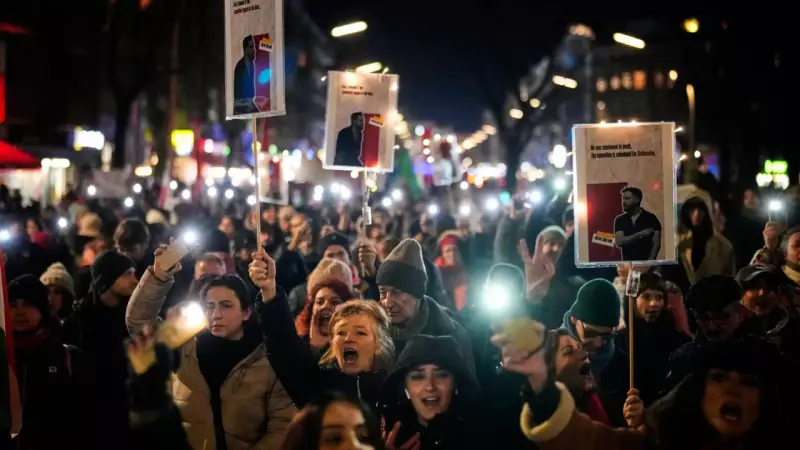
While protests inside Iran have quieted, anger has spilled abroad. Large demonstrations by Iranian exiles have erupted across Europe. In London, police arrested several protesters after one climbed onto the roof of Iran's embassy and removed a flag. Multiple officers sustained injuries during these demonstrations.
Some Iranians have reportedly crossed into neighboring countries like Turkey. They seek to bypass the communications blackout and contact the outside world, sharing stories of the crackdown's brutality.
Opposition Figures Voice Confidence in Regime's Fall
Reza Pahlavi, son of Iran's late shah, expressed confidence that the protests will eventually topple the Islamic Republic. Speaking at a Washington news conference, the exiled opposition figure declared the fall of the cleric-led state inevitable. "It is not if, but when," Pahlavi stated firmly. He has urged stronger international action as authorities continue to repress demonstrations.
The death toll continues to rise despite returning normalcy in some areas. The sharply increasing numbers underscore the severity of the government's response to demonstrations driven by both economic hardship and political anger. A heavy security presence maintains control across many Iranian cities and towns, according to witnesses and human rights groups.
Independent verification remains difficult due to the communications blackout. The world watches as Iran navigates this fragile period between suppression and potential resurgence of dissent.