

Iran Firmly Rejects US Ceasefire Proposal, Sets Strict Conditions for War Conclusion
Iran has categorically rejected a United States proposal aimed at ending the ongoing conflict, with a senior political-security official declaring that any ceasefire will occur exclusively on Tehran's own terms and timeline. In an interview with Press TV on Wednesday, the official emphasized that Iran will continue its military response until its demands are fully satisfied.
Iran's Unyielding Stance on War Termination
The Tehran official stated, "Iran says it will end the war when it decides to do so and when its own conditions are met." He added that Iran intends to inflict "heavy blows" through sustained military operations until these prerequisites are fulfilled. Washington has been actively pursuing diplomatic talks through multiple channels, but Iran described the US proposals as "excessive" and disconnected from the realities on the battlefield.
The latest US overture, delivered via a regional intermediary, was dismissed by Iran as an attempt to escalate tensions rather than foster resolution. "No negotiations will be held prior to that," the official asserted, highlighting that military actions will persist unabated.

Comprehensive List of Iranian Demands
Iran has outlined a series of non-negotiable demands that must be addressed before any ceasefire agreement can be considered:
- Halt to attacks and assassinations: Tehran demands a complete cessation of what it terms "aggression and assassinations" by its adversaries.
- Guarantees against future war: Iran calls for concrete mechanisms to ensure that conflict is not reimposed on the country in the future.
- War damage compensation: Tehran seeks guaranteed and clearly defined payment of war damages and reparations.
- End to conflict across fronts: Iran insists that any agreement must include the conclusion of hostilities across all fronts and among allied groups in the region.
- Sovereignty over Strait of Hormuz: The official emphasized Iran's demand for international recognition and guarantees of its sovereign right over the Strait of Hormuz.
US Proposal and Iranian Military Response
Meanwhile, the United States has reportedly presented a 15-point proposal that includes curbs on Iran's nuclear and missile programs, along with restrictions on regional activities. In exchange, the offer provides sanctions relief and support for civilian nuclear development. However, Iranian military officials have responded with sharp criticism to Washington's stance.
Lieutenant Colonel Ebrahim Zolfaghari remarked, "President Donald Trump appeared to be negotiating with himself." He further added, "The one claiming to be a global superpower would have already gotten out of this mess if it could. Don't dress up your defeat as an agreement. Your era of empty promises has come to an end."
Ongoing Conflict and Global Implications
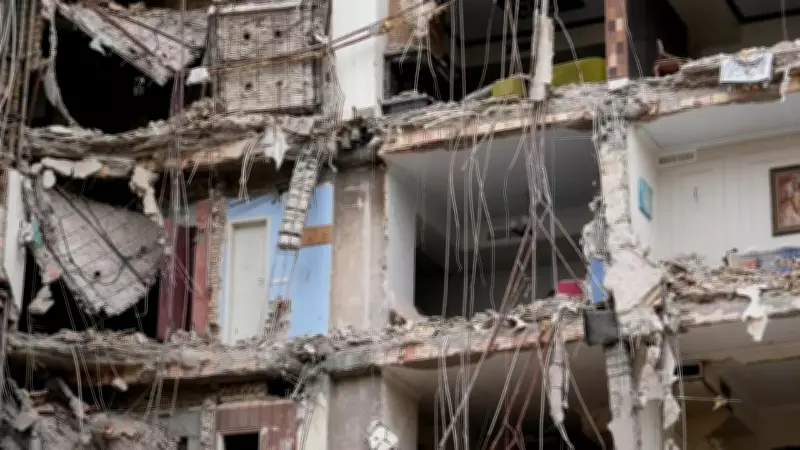
The remarks come amid continuous fighting between Iran and Israel, with significant US involvement. Strikes have targeted Iranian infrastructure, while Tehran continues missile launches in retaliation. The closure of the Strait of Hormuz has severely disrupted global energy supplies, adding a layer of urgency to diplomatic efforts to resolve the conflict.
With both sides maintaining firm and uncompromising positions, the prospects for a near-term resolution remain highly uncertain. The situation underscores the complex geopolitical dynamics at play, as regional stability hangs in the balance.






