

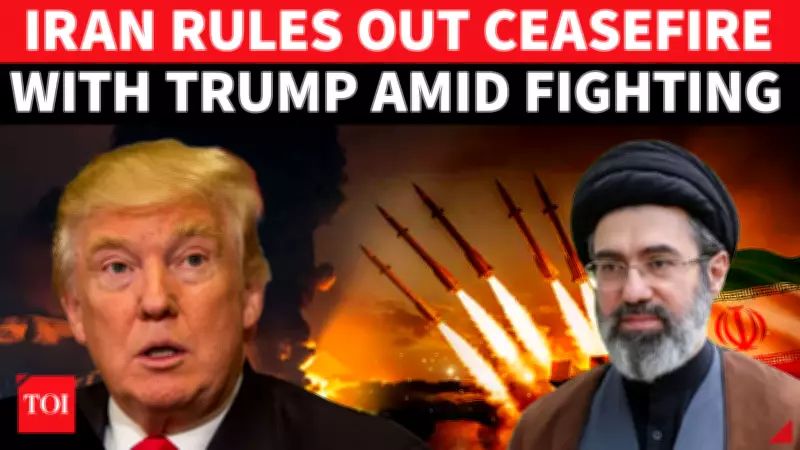
Iran Rejects US Ceasefire Proposal, Peace Efforts Falter
In a significant diplomatic setback, Iran has reportedly turned down a 48-hour ceasefire proposal backed by the United States, delivered through an intermediary. This rejection signals a major collapse in peace efforts as hostilities between the two nations continue to escalate.
Details of the Failed Truce Offer
The ceasefire offer, which was proposed by U.S. President Donald Trump in a last-minute bid to de-escalate tensions, was formally rejected by Tehran. According to sources, the proposal called for a temporary 48-hour halt in fighting to allow for diplomatic negotiations. However, Iranian officials dismissed the offer, citing ongoing military operations and strategic objectives.
Escalating Military Conflict
As the peace bid collapses, the conflict has intensified with airstrikes, drone attacks, and missile exchanges becoming more frequent. Recent reports indicate that Iran has targeted multiple American aircraft, including claims of downing F-16 fighter jets and other military assets. In response, President Trump has issued fresh threats aimed at Iran's critical infrastructure, asserting that U.S. strategic goals are nearing completion despite the ongoing violence.

Global Concerns and Diplomatic Efforts
The rejection of the ceasefire has raised alarms among global powers, who warn that the situation could spiral into a broader regional conflict. Diplomatic channels remain active, but the window for achieving a peaceful resolution appears to be rapidly closing. International observers emphasize the urgent need for dialogue to prevent further escalation and potential humanitarian crises.
Broader Implications for the Middle East
This development underscores the widening gap between Iran and the United States, with both sides adopting increasingly hardened positions. The conflict has already seen involvement from other regional actors, such as Hezbollah utilizing advanced drone technology, and incidents like the alleged destruction of a data center in Dubai. As tensions mount, the stability of the entire Middle East hangs in the balance, with potential repercussions for global security and economy.
In summary, Tehran's rejection of the U.S.-backed ceasefire marks a critical juncture in the Iran-U.S. conflict. With military actions intensifying and diplomatic options dwindling, the path to peace seems increasingly fraught, heightening fears of a prolonged and expansive war in the region.






