Iran's Top Security Official Ali Larijani Assassinated in Targeted Strike
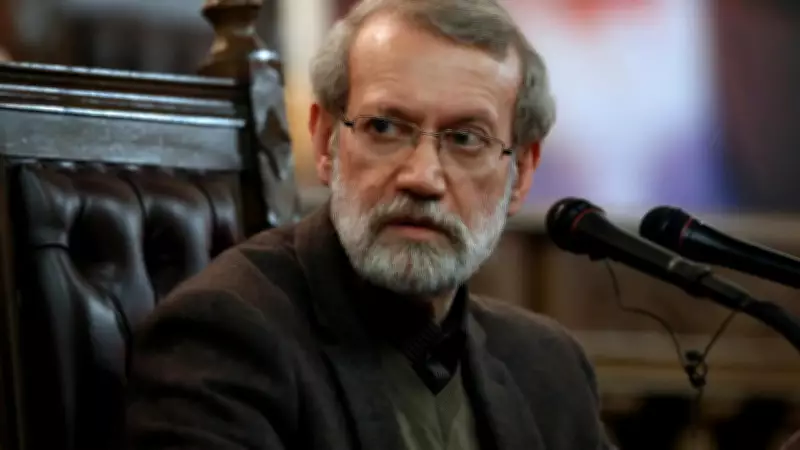
Ali Larijani, the influential secretary of Iran's Supreme National Security Council, was killed on Tuesday in a precision strike targeting his daughter's residence in the Pardis area, according to official Iranian state media reports. The attack, which occurred amid rapidly escalating regional hostilities, also claimed the lives of his son, a deputy, and several bodyguards who were present at the location.
Iran Mourns a 'Martyr' and Key Security Architect
The state-affiliated Fars News Agency described Larijani as "one of the country's most prominent and prudent officials" and confirmed that Iran has officially designated him as a martyr, honoring his substantial contributions to shaping the nation's defense architecture and regional policy frameworks. At 68 years old, Larijani had emerged as a central figure within Iran's security apparatus, particularly following the death of Supreme Leader Ayatollah Ali Khamenei.
Security analysts note that Larijani effectively oversaw Iran's comprehensive defense strategy, regional military operations, and internal security mechanisms, functioning as the right-hand confidant to the late supreme leader. His assassination represents a devastating blow to Iran's security leadership structure at a particularly volatile moment in Middle Eastern geopolitics.

Israel Claims Responsibility for Strategic Operation
Israeli authorities have confirmed executing the strike that eliminated Larijani along with General Gholam Reza Soleimani, the commanding officer of Iran's Basij paramilitary force. Israeli officials characterized the operation as designed to "systematically undermine the Iranian regime's authority" and create political space for the Iranian populace to challenge their leadership.
Prime Minister Benjamin Netanyahu reiterated Israel's longstanding strategic objective of weakening Iran's regional influence, though he carefully avoided explicitly advocating for regime change. Brigadier General Effie Defrin, serving as an Israeli military spokesperson, revealed that the strikes specifically targeted Iran's newly appointed supreme leader, Mojtaba Khamenei, who has maintained an unusually low public profile since succeeding his father.
Israeli Defence Minister Israel Katz disclosed that more than ten Basij operational posts in Tehran were simultaneously targeted during the coordinated military action. The elimination of both Larijani and Soleimani represents a significant degradation of Iran's security command, particularly given their instrumental roles in suppressing domestic dissent, including the widespread protests that erupted against the regime in January.
US Conducts Massive Airstrikes on Iranian Missile Infrastructure
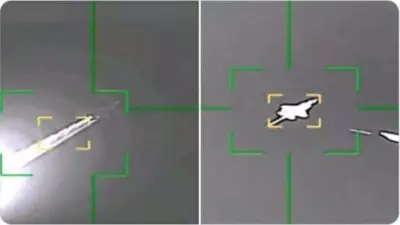
Concurrent with these developments, the United States military executed heavy airstrikes targeting Iranian missile installations positioned near the strategically vital Strait of Hormuz. American defense officials stated these operations specifically destroyed "hardened facilities" that posed imminent threats to international maritime shipping through the critical waterway.
The strikes employed precision-guided munitions weighing up to 5,000 pounds each, demonstrating the substantial firepower deployed against Iran's military infrastructure. The Strait of Hormuz represents one of the world's most crucial maritime chokepoints, facilitating approximately one-fifth of global oil transportation, making its security paramount to international energy markets.
Iran Retaliates with Missile and Drone Barrages
Iran responded to these attacks with coordinated missile and drone strikes targeting Israeli territory and Gulf Arab neighbors. In Israel, two civilians were killed when an Iranian missile barrage impacted near Tel Aviv, with Iranian forces reportedly employing cluster munitions in their retaliatory assault. Meanwhile, early Wednesday witnessed explosions in Dubai as the city's air defense systems successfully intercepted incoming Iranian missiles.

These retaliatory actions underscore the expanding regional dimensions of the conflict, with Gulf Cooperation Council states facing escalating threats from Iranian-launched missiles and unmanned aerial vehicles. Iran has explicitly signaled its intention to maintain strategic control over the Strait of Hormuz, effectively keeping a chokehold on this essential artery for global hydrocarbon transport.
Regional Fallout and Humanitarian Consequences
The International Atomic Energy Agency reported that a projectile struck the Bushehr nuclear plant complex, though fortunately no injuries or significant structural damage were confirmed. Simultaneously, Israel continued its military operations against Iran-backed Hezbollah positions throughout Lebanon, where humanitarian organizations report more than one million displaced persons, many forced to sleep in vehicles or overcrowded temporary shelters.
The Lebanese government has documented over 900 fatalities resulting from Israeli strikes, while Israeli authorities confirm at least 14 deaths from Iranian missile fire within their territory. Since the conflict's escalation on February 28, more than 1,300 individuals have perished within Iran according to available estimates.
Global Energy Markets React to Escalating Tensions
Global oil prices have surged sharply in response to the deteriorating security situation around the Strait of Hormuz, reflecting widespread market concerns about potential supply disruptions. The United States has urgently requested allied nations deploy naval assets to help secure the vital maritime passage, though few have responded affirmatively, prompting President Donald Trump to assert that American military forces "do not require assistance from any external parties."
The assassination of Ali Larijani and the subsequent military exchanges have dramatically intensified an already volatile regional conflict, raising profound concerns about broader Middle Eastern stability, international energy security, and the potential for further escalation between nuclear-capable regional powers.