

Iran's Sustained Assaults Cripple US Military Infrastructure in Middle East
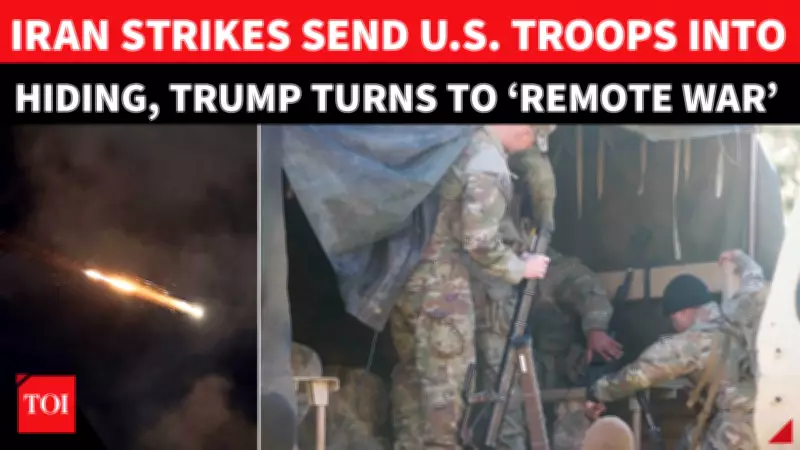
Iran's relentless campaign of missile and drone strikes has inflicted severe damage on United States military installations across the Middle East, rendering at least 13 key bases effectively uninhabitable for operational purposes. This unprecedented level of destruction has compelled American ground forces to abandon their traditional fortified positions and relocate to a network of temporary and clandestine facilities scattered throughout the region.
Strategic Bases in Gulf Nations Suffer Critical Damage
The offensive has targeted and successfully compromised vital US assets in several allied nations. Critical installations in Kuwait, Qatar, Bahrain, and Saudi Arabia have sustained direct hits, leading to significant disruptions in military operations, supply chains, and logistical support. The scale of the damage indicates a coordinated effort by Iran to degrade American forward-deployed capabilities and challenge its regional dominance.
Shift to 'Remote Warfare' as Ground Forces Disperse
In response to the deteriorating security of fixed bases, US military strategy in the theater is undergoing a fundamental transformation. Reports confirm a decisive pivot towards "remote warfare" methodologies. This involves ground troops operating from hidden, mobile locations while increasingly relying on long-range precision strikes, cyber operations, and unmanned systems to project power and conduct missions, marking a significant tactical evolution forced by circumstance.

Official Claims Versus Expert Warnings on Capability
While the Pentagon and Washington officials maintain public statements that military operations are continuing uninterrupted, defense analysts and regional experts are sounding alarms. They warn that the loss of these major hubs has substantially reduced the US military's rapid response capability and overall force projection in the Middle East. The dispersed posture, while necessary for survival, introduces new complexities in command, control, and sustainment, thereby elevating operational risks.
Reinforcements and Escalating Tensions Signal Dangerous Phase
The United States is reportedly mobilizing reinforcements and additional assets to the region in an attempt to shore up its position. However, with tensions between Washington and Tehran reaching a fever pitch, the conflict is undeniably entering a new and perilous phase. The direct targeting of US sovereign military spaces represents a major escalation with profound implications, not just for regional stability but for global geopolitics, energy security, and international alliances.
The situation remains highly volatile, with the potential for further miscalculation or escalation posing a continuous threat to international peace and security.






