

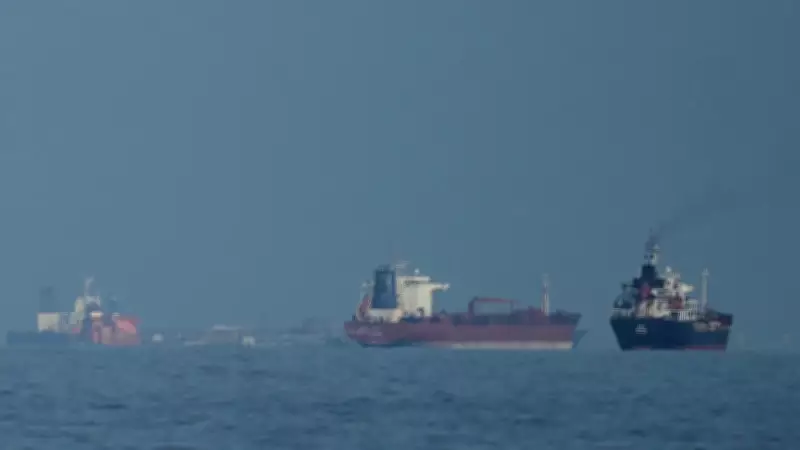
Iran Intercepts Pakistan-Bound Container Ship in Strategic Strait
Iran has forcefully turned back a Pakistan-bound container vessel attempting to navigate through the critical Strait of Hormuz. The action was taken due to what Iranian authorities described as a "lack of permission" and failure to adhere to established maritime protocols. This development occurs against a backdrop of intensifying regional tensions and has immediate implications for global energy markets and international trade routes.
Naval Commander Details Interception Incident
According to Alireza Tangsiri, commander of the Islamic Revolutionary Guard Corps Navy, the vessel identified as SELEN was intercepted and compelled to reverse course after it did not meet the necessary legal conditions for transit. "The container ship SELEN was turned back by the IRGC Navy due to its failure to comply with legal protocols and lack of permission to pass through the Strait of Hormuz," Tangsiri stated unequivocally.
He further elaborated that passage through this narrow but vital waterway mandates "full coordination with Iran's maritime authority." Tangsiri framed the enforcement action as a firm assertion of national sovereignty, noting that public support backs these measures. "The passage of any vessel through this waterway requires full coordination with the maritime sovereignty of the Republic of Iran," he emphasized, reinforcing Tehran's stance on controlling access to the strait.

Heightened Tensions and Stricter Control Measures
The incident unfolds amid significantly heightened tensions in the Persian Gulf region. Iran has been effectively tightening its control over the Strait of Hormuz, a crucial maritime artery through which approximately one-fifth of global oil shipments transit. Tehran has communicated that "non-hostile vessels" may still use the route, provided they strictly comply with safety and security regulations and coordinate with relevant Iranian authorities.
However, Iran has drawn a clear and uncompromising line against what it terms "aggressor parties." The Iranian government has explicitly warned that vessels associated with the United States and Israel—or those providing support to these nations—will not be granted safe passage. This policy directly impacts maritime logistics and complicates navigation for commercial shipping in the area.
Immediate Global Economic Repercussions
The disruption has triggered immediate and noticeable global economic repercussions:
- Oil Price Volatility: Oil prices, which had surged sharply since the onset of regional conflicts, showed tentative signs of easing on hopes for de-escalation. Brent crude futures recently fell below the $100 per barrel mark. Despite this temporary dip, prices remain substantially elevated compared to pre-crisis levels, reflecting persistent and deep-seated uncertainty in global energy markets.
- Supply Chain Disruptions: Beyond the oil sector, the crisis is beginning to create ripple effects throughout global supply chains. The World Trade Organization has issued warnings that disruptions to fertilizer shipments transiting the strait could pose a serious threat to global food security. Shortages and rising costs are already impacting agricultural production worldwide, potentially leading to broader economic and social consequences.
Broader Regional Conflict and Diplomatic Moves
The broader regional conflict continues to escalate on multiple fronts. The United States is reportedly moving additional troops to the Middle East, including elements of the 82nd Airborne Division, even as it pursues diplomatic channels. Washington has pushed a 15-point ceasefire proposal to end hostilities, utilizing intermediaries such as Pakistan to convey the plan to involved parties.
Iran, however, has publicly dismissed the prospect of negotiations at this stage. Iranian officials insist that there are no ongoing talks regarding a ceasefire or de-escalation, indicating a firm stance amid the mounting tensions. This rejection complicates international efforts to mediate and stabilize the volatile situation in the Gulf region.

The interception of the SELEN container ship underscores Iran's assertive maritime policy and the fragile state of security in one of the world's most strategically important waterways. As geopolitical tensions simmer, the incident serves as a stark reminder of how regional conflicts can swiftly translate into global economic challenges, affecting everything from energy costs to food supply chains across continents.





