

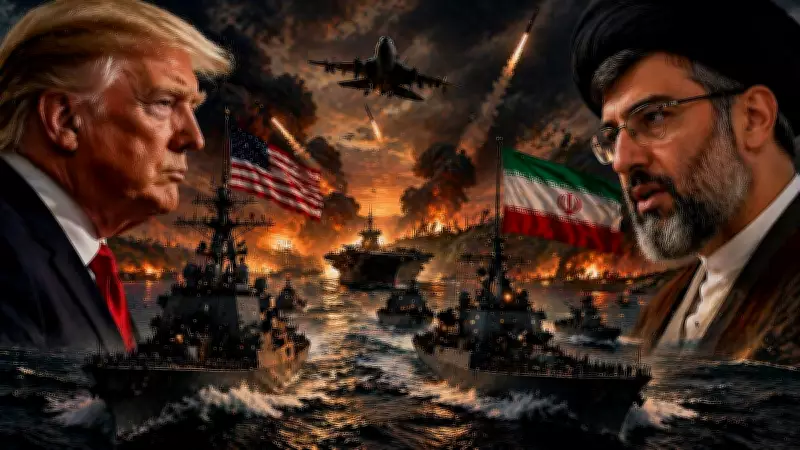
Iran Vows Retaliation as US Confirms Impending Port Blockade in Strategic Waterway
In a dramatic escalation of geopolitical tensions, Iran has issued a stark warning to the United States, declaring that "no port will be safe" following an official US threat to impose a naval blockade on Iranian ports. The US Central Command has confirmed that this aggressive maritime action is scheduled to commence from 10 a.m. Eastern Time (1400 GMT) on Monday, April 13, 2026, directly targeting Iran's critical infrastructure in the volatile Middle East region.
US Central Command Formalizes Blockade Timeline Amid Rising Hostilities
The US Central Command, which oversees military operations in the area, has formally announced the blockade's implementation, setting a precise start time that underscores the seriousness of Washington's stance. This move represents a significant intensification of the long-standing adversarial relationship between the two nations, with the blockade poised to disrupt Iran's maritime trade and energy exports through key chokepoints.
Iran's response was immediate and unequivocal, with senior officials warning that any attempt to isolate Iranian ports would provoke retaliatory measures that could endanger global shipping lanes. The statement, interpreted as a direct threat to international commerce, highlights Iran's reliance on its coastal facilities and its determination to resist external pressure.

Strategic Implications for the Strait of Hormuz and Global Energy Markets
The blockade threat centers on the Strait of Hormuz, one of the world's most crucial maritime passages for oil transportation. Iran's warning suggests potential disruptions to this vital waterway, which handles approximately one-fifth of global oil shipments. Analysts fear that any conflict here could trigger widespread economic repercussions, including spikes in oil prices and supply chain interruptions.
- Economic Impact: A blockade could severely hamper Iran's oil exports, exacerbating regional instability.
- Military Posturing: Both nations are bolstering naval assets in the area, raising fears of accidental clashes.
- Diplomatic Fallout: The situation may strain US alliances and invite international mediation efforts.
This development follows years of simmering disputes over Iran's nuclear program and regional influence, with the US leveraging military might to curb Tehran's ambitions. The confirmed blockade timeline adds a new layer of urgency, as global observers monitor for signs of escalation that could spill over into broader conflict.
Regional and International Reactions to the Escalating Crisis
Neighboring countries and international bodies are closely watching the unfolding crisis, concerned about its potential to destabilize the entire Middle East. The US action, framed as a measure to counter Iranian aggression, has drawn mixed responses, with some allies expressing support while others urge caution to avoid a full-scale war.
- Security Concerns: The blockade raises alarms about maritime security and freedom of navigation.
- Humanitarian Risks: Prolonged tensions could impact civilian populations and regional economies.
- Global Diplomacy: Efforts are underway to de-escalate through diplomatic channels, though success remains uncertain.
As the Monday deadline approaches, the world braces for possible confrontations, with Iran's warning serving as a grim reminder of the high stakes involved. The situation underscores the fragile balance of power in the Middle East and the far-reaching consequences of military brinkmanship between global adversaries.






