

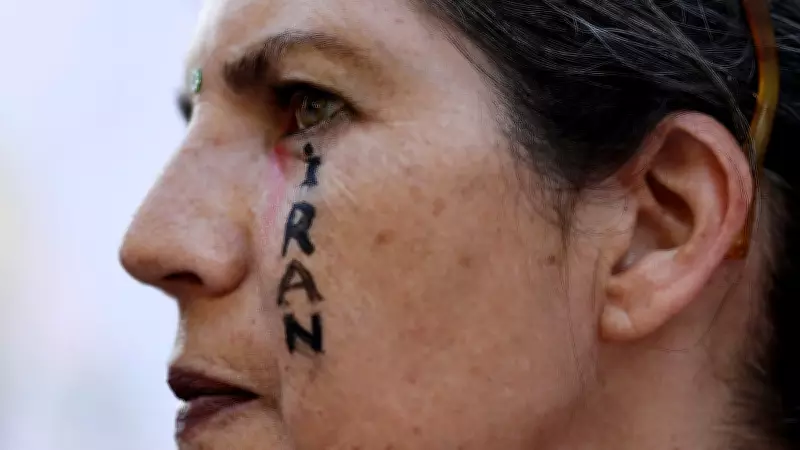
Iranian Women's Rights Struggle Confronts Grave Setback Amid Succession Fears
The ongoing struggle for fundamental rights by Iranian women now faces a significant and alarming setback, raising profound concerns about the future of gender equality in the country. With the potential succession of Ayatollah Mojtaba Khamenei, fears are mounting that this transition could merely continue a grim continuum of oppression, rather than ushering in any meaningful change or progress.
Historical Context and Current Challenges
For decades, Iranian women have been at the forefront of movements advocating for basic human rights, including freedom of expression, education, and political participation. However, their efforts have often been met with stringent resistance from conservative factions within the government. The current political climate, marked by rigid enforcement of Islamic laws, has further complicated their fight, making it increasingly difficult to achieve tangible advancements.
The prospect of Ayatollah Mojtaba Khamenei assuming leadership is particularly troubling for activists and human rights organizations. Many experts argue that his ascension would likely reinforce existing policies that restrict women's freedoms, rather than introduce reforms. This potential scenario underscores the deep-seated institutional barriers that continue to hinder progress, leaving many to question whether any real change is possible under such leadership.

Implications for Regional and Global Dynamics
The situation in Iran does not exist in isolation; it has broader implications for regional stability and global human rights discourse. As one of the most influential countries in the Middle East, Iran's internal policies often set precedents for neighboring nations. A continuation of oppressive measures could embolden similar regimes, thereby exacerbating gender-based inequalities across the region. This makes the struggle of Iranian women not just a domestic issue, but a critical focal point for international advocacy and diplomacy.
Moreover, the global community has been closely monitoring these developments, with many calling for increased pressure on Iranian authorities to uphold human rights standards. However, geopolitical complexities and economic interests sometimes overshadow these calls, creating a challenging environment for effective intervention.
Looking Ahead: Prospects and Possibilities
Despite the daunting obstacles, Iranian women and their allies remain resilient, continuing to organize and voice their demands through various channels, including social media and grassroots campaigns. Their perseverance highlights a growing awareness and mobilization that could, over time, force incremental changes even under restrictive conditions.
- Increased International Scrutiny: Global attention on Iran's human rights record may pressure the government to make concessions, however small.
- Youth-Led Movements: Younger generations in Iran are increasingly vocal about their rights, potentially driving future reforms.
- Economic Factors: Internal economic pressures might compel the regime to reconsider some policies to maintain stability.
In conclusion, while the potential succession under Ayatollah Mojtaba Khamenei poses a grave threat to the advancement of women's rights in Iran, the unwavering determination of activists offers a glimmer of hope. The path forward is fraught with challenges, but the struggle for fundamental rights remains a pivotal issue that will continue to shape Iran's social and political landscape for years to come.






