

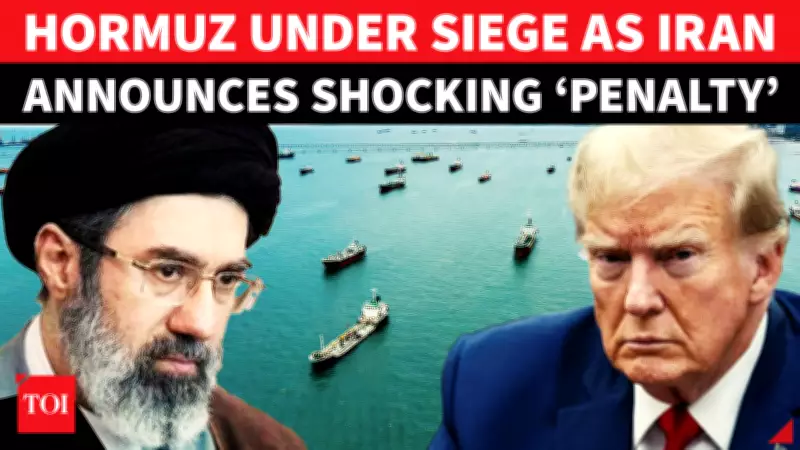
Iran Imposes $2 Million Transit Fee on Strait of Hormuz Vessels
In a bold move asserting control over a critical global oil route, Iran has officially imposed a $2 million transit fee on select vessels passing through the strategic Strait of Hormuz. This decision comes amid escalating geopolitical tensions with the United States and Israel, following recent warnings from former US President Donald Trump about potential strikes on Iran's power infrastructure.
Tehran's Warning and Global Implications
Tehran has issued a stark warning that it could completely close the strait if subjected to any military attacks, a threat that directly jeopardizes global oil supply chains. The Strait of Hormuz serves as a vital maritime chokepoint, through which approximately one-fifth of the world's oil supply transits daily. Any disruption here could have catastrophic effects on international energy markets.
With tanker traffic already showing signs of slowing and geopolitical risks intensifying, the situation is poised to trigger significant disruptions. Analysts fear that this development could lead to:

- Sharp increases in global oil prices
- Supply chain bottlenecks for energy-dependent industries
- Heightened military posturing in the Persian Gulf region
- Potential retaliatory measures from Western nations
Background of Rising Tensions
The imposition of this transit fee is not an isolated incident but part of a broader pattern of escalating hostilities. Recent months have seen a series of provocative actions and statements from both sides, including:
- Warnings from Donald Trump regarding strikes on Iranian infrastructure
- Iran's development and display of advanced military capabilities
- Increased naval presence by various global powers in the region
This fee imposition represents Tehran's latest attempt to leverage its geographical advantage while testing international resolve. The move comes at a particularly sensitive time when global energy markets are already grappling with multiple challenges, including supply constraints and fluctuating demand patterns.
Potential Consequences for Global Markets
The financial implications of this development extend far beyond the immediate $2 million fee. Market observers are closely monitoring several key indicators:
- Insurance premiums for vessels transiting the strait are expected to surge
- Shipping companies may reroute vessels through longer, costlier alternative routes
- Energy-dependent economies could face inflationary pressures
- Stock markets may experience volatility in energy and transportation sectors
As the situation continues to evolve, diplomatic channels remain active but strained. The international community watches anxiously, aware that any miscalculation could spiral into broader conflict with devastating consequences for global energy security and economic stability.






