

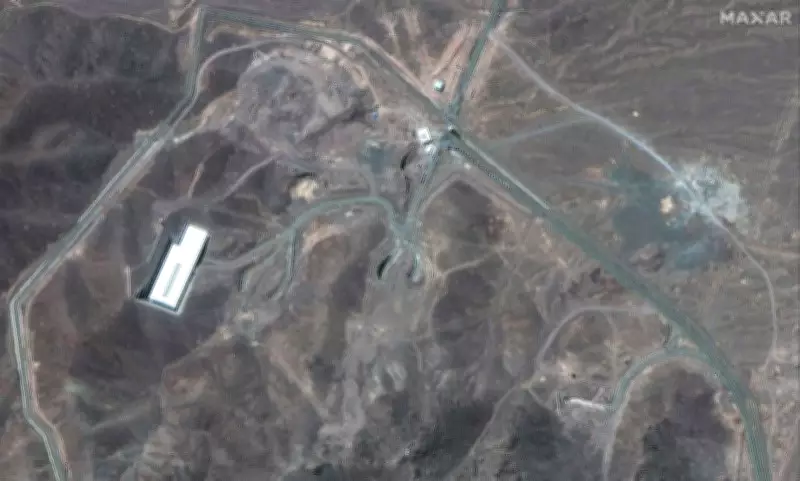
Iran's Fordow Nuclear Facility: A Target for Bunker-Buster Bombs
Iran's Fordow nuclear facility, a key site in the nation's atomic program, has become a focal point of international security discussions due to its vulnerability to advanced military weapons known as bunker-buster bombs. Located deep underground, this facility is designed to withstand conventional attacks, but specialized munitions pose a significant threat, sparking concerns about regional stability and global non-proliferation efforts.
Understanding Bunker-Buster Bombs
Bunker-buster bombs are precision-guided munitions engineered to penetrate hardened or underground targets before detonating. These weapons can cause extensive damage to fortified structures like the Fordow facility, which houses uranium enrichment centrifuges. The development and potential use of such bombs highlight escalating tensions in the Middle East, as nations assess the risks of military action against Iran's nuclear ambitions.
Global Security Implications
The threat to Fordow raises critical questions about international security and diplomatic strategies. Key implications include:

- Regional Escalation: An attack on Fordow could trigger broader conflicts, involving neighboring countries and global powers.
- Non-Proliferation Challenges: It underscores the difficulties in enforcing nuclear agreements and preventing the spread of weapons technology.
- Diplomatic Efforts: Nations are urged to pursue dialogue and sanctions to address concerns without resorting to military force.
Recent reports indicate that intelligence agencies are monitoring the situation closely, with some countries advocating for preemptive measures to neutralize the threat. However, experts warn that such actions could have unintended consequences, destabilizing the region further.
Iran's Response and International Diplomacy
Iran has consistently defended its nuclear program as peaceful, aimed at energy production and medical research. In response to threats against Fordow, Iranian officials have emphasized their right to develop nuclear technology under international law, while accusing foreign powers of aggression. Diplomatic channels, including negotiations under the Joint Comprehensive Plan of Action (JCPOA), remain active, though progress has been slow amid mutual distrust.
The situation at Fordow serves as a reminder of the delicate balance between national sovereignty and global security interests. As tensions persist, the international community faces the challenge of finding a peaceful resolution that prevents conflict while addressing proliferation risks.






