Iran's Dreaded General Issues Stark Warning to United States
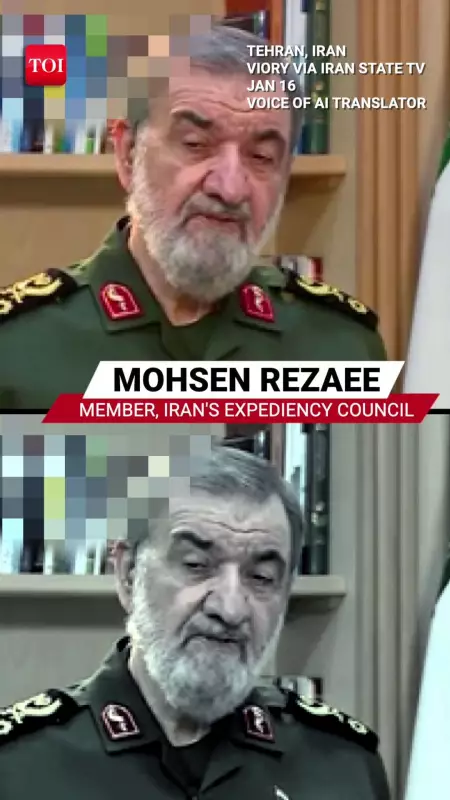
A senior Iranian official has delivered a blunt message to Washington. Mohsen Rezaee, a member of Iran's Expediency Council and former commander of the Islamic Revolutionary Guard Corps (IRGC), told the United States to "back off" during a televised address.
Rezaee warned that continued pressure could push Iran into a new era of "Sacred Defence." This term directly references the brutal Iran-Iraq war that lasted through the 1980s. The conflict caused massive casualties and devastation across the region.
No Ceasefires and Unsafe Bases
The Iranian commander made several specific threats during his state television appearance. He stated clearly that Iran would not consider ceasefires if open conflict erupts with the United States.

Rezaee also warned that American military bases throughout the Middle East are "not safe" from Iranian retaliation. This comment highlights Tehran's capability to target U.S. assets across the region.
Comparing Resilience to "Russian Ice"
In his remarks, Rezaee drew an interesting comparison to describe Iran's military preparedness. He said Iran's resilience resembles "Russian ice" - suggesting both cold determination and enduring strength.
This analogy signals Tehran's readiness for what could become a long and punishing confrontation with Washington. Despite the harsh rhetoric, Rezaee emphasized Iran maintains friendly relations with host nations in the region.
Historical Context of "Sacred Defence"
The reference to "Sacred Defence" carries significant weight in Iranian political discourse. This term officially describes Iran's eight-year war against Iraq under Saddam Hussein.
Key aspects of that conflict include:
- Massive human casualties on both sides
- Extensive use of trench warfare and chemical weapons
- Economic devastation that took years to recover from
- Lasting impact on Iran's military doctrine and national identity
By invoking this historical period, Rezaee suggests Iran would approach any new conflict with similar determination and sacrifice.
Current Regional Tensions
This warning comes amid ongoing tensions between Iran and the United States. Several factors contribute to the current strained relationship:
- Disagreements over Iran's nuclear program
- Iran's support for regional proxy groups
- U.S. sanctions targeting Iran's economy
- Previous military confrontations in the Persian Gulf
Rezaee's comments represent some of the most direct threats recently issued by an Iranian official toward Washington. They reflect Tehran's growing frustration with American policies in the Middle East.
The warning serves as both a deterrent message and a statement of Iran's strategic posture. It underscores Tehran's willingness to engage in prolonged conflict if necessary, while carefully noting Iran's diplomatic relationships with neighboring countries.