

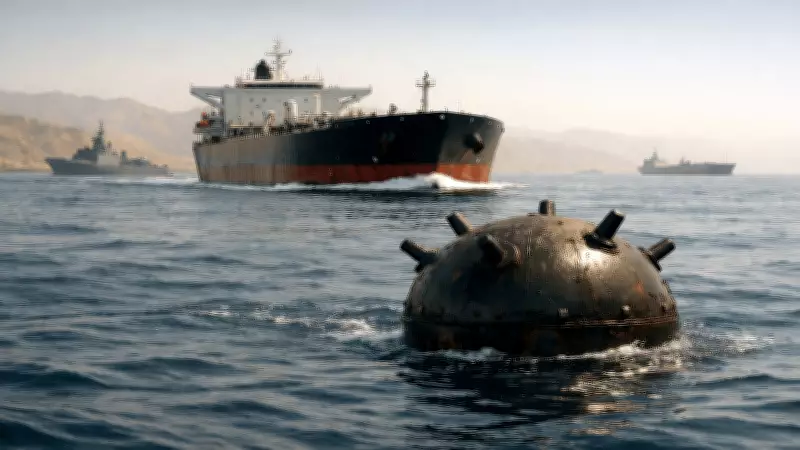
Global Alarm Over Iran's Strait of Hormuz Mining Threat Intensifies
In a development that has sent shockwaves through international security circles, Iran's persistent threat to mine the Strait of Hormuz has become a paramount concern for global powers and Gulf nations alike. This critical maritime chokepoint, through which approximately one-fifth of the world's oil supply transits, faces an unprecedented risk of disruption.
Escalating Tensions in the Persian Gulf
The situation has dramatically escalated since the commencement of hostilities against Iran on February 28, which led to the closure of the Strait. A primary and enduring anxiety for the United States, Israel, and all Gulf Cooperation Council countries revolves around Tehran's declared capability to deploy marine mines along this vital sea lane. Despite limited confirmed sightings of actual mines in use, the specter of such an action looms large over regional stability.
In a stark reminder of the ongoing peril, Iran's defense council issued a provocative statement on March 23, explicitly warning that it could mine "all access routes and communications lines in the Persian Gulf and coastal areas." The council further threatened the deployment of "drifting mines deployable from the coasts" should Iran's coastline or islands come under attack. This declaration underscores a calculated strategy of asymmetric warfare, leveraging geography to counter superior military forces.

Preemptive Strikes and Strategic Calculations
In response to this palpable threat, US and Israeli forces have conducted targeted strikes on multiple Iranian vessels suspected of being potential platforms for mine-laying operations. These preemptive actions highlight the high-stakes nature of the confrontation and the determination to prevent any blockage of the strait. The strategic calculus is clear: a mined Strait of Hormuz would not only cripple regional economies but also trigger a global energy crisis, with oil prices likely skyrocketing overnight.
The international community, particularly energy-dependent nations, is watching with bated breath. The strait's narrow confines make it exceptionally vulnerable to mining, which could be executed with relative stealth and devastating effect. Iran's threats are not mere rhetoric; they represent a tangible instrument of geopolitical leverage in a highly volatile environment.
Why the World Cannot Afford to Ignore This Threat
- Economic Catastrophe: The Strait of Hormuz is the world's most important oil transit corridor. Any disruption would have immediate and severe repercussions on global markets, potentially plunging economies into recession.
- Maritime Security Crisis: Mining these waters would endanger commercial shipping, threaten lives, and could lead to a wider naval conflict, drawing in multiple state and non-state actors.
- Regional Destabilization: For Gulf nations, whose livelihoods are tethered to oil exports, a blockade would be existential, potentially redrawing the political and economic map of the Middle East.
- Global Power Dynamics: This standoff tests the resolve of the US-led security architecture in the region and challenges the international community's ability to uphold freedom of navigation—a principle crucial to global trade.
As diplomatic channels strain under the weight of these threats, the world finds itself at a precarious juncture. The Iranian mining threat is a stark reminder that in an interconnected world, a crisis in the Persian Gulf is a crisis for all. Vigilance, robust deterrence, and renewed diplomatic efforts are urgently required to navigate these treacherous waters and prevent a localized conflict from spiraling into a global catastrophe.






