Iran's IRGC Escalates Regional Conflict with 70th Wave of Retaliatory Strikes
In a significant escalation of tensions in the Middle East, Iran's Islamic Revolution Guards Corps (IRGC) has declared the execution of the 70th wave of its retaliatory campaign, known as Operation True Promise 4. The announcement, made on Saturday, underscores a persistent and aggressive military strategy aimed at countering perceived threats from the United States and Israel.
Targets and Tactics of the Latest Assault
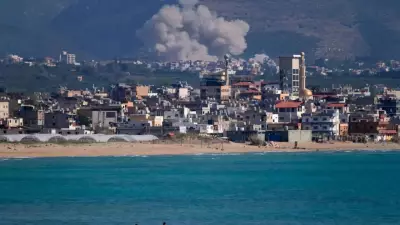
According to an official statement released by the IRGC, this latest phase of operations targeted more than 55 locations across the region that are occupied by US and Israeli forces. The IRGC described the initial moments of the attack as being marked by "loud explosions, bursts of fire, and columns of smoke" throughout the affected areas, painting a vivid picture of the intensity of the strikes.
Specifically, the IRGC confirmed that five US military installations were hit during this wave. These include:

- al-Kharj in Saudi Arabia
- al-Dhafra in the United Arab Emirates
- Ali al-Salem in Kuwait
- Erbil in Iraqi Kurdistan
- The headquarters of the US Fifth Fleet in Bahrain
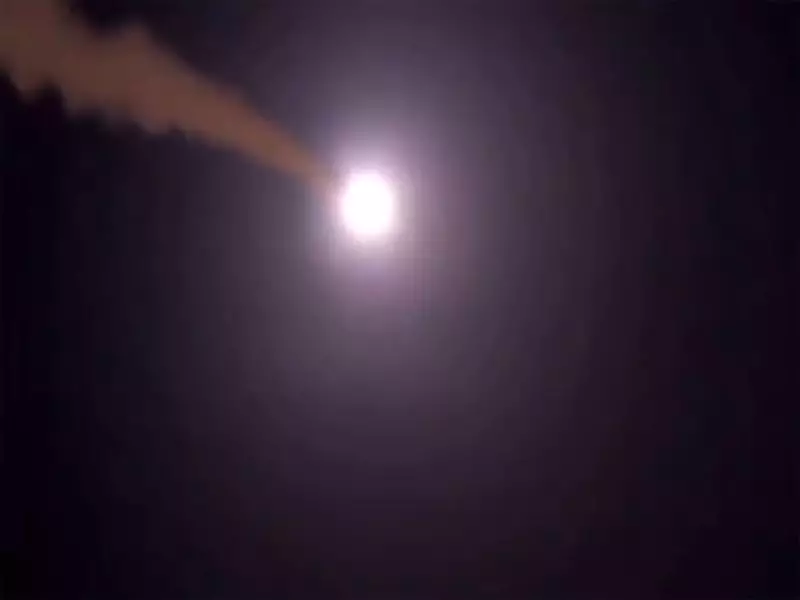
The Corps detailed that the strikes were carried out using a combination of advanced weaponry, including Qiam and Emad missile systems alongside attack drones. This multi-faceted approach is part of what the IRGC terms a broader strategy of "gradual attrition," aimed at wearing down enemy capabilities over time.
Focus on Israeli Territories and Strategic Impact
In addition to the US targets, the IRGC's Aerospace Force concentrated its efforts on strategic zones within Israel. Operations were reported in the port of Haifa and the city of Tel Aviv, with specific locations such as Hadera, Kiryat Ono, Savion, and Ben Ami being mentioned. The IRGC deployed Khorramshahr-4 and multi-warhead Qadr missile systems for these strikes, claiming that the impacts were "beyond the enemy's estimates" and have contributed to worsening conditions in the targeted territories.
The IRGC emphasized its offensive posture in the statement, warning, "It is necessary at this stage of the war to once again remind that the IRGC, in its offensive strategy, will target the origin of any aggression against the Islamic Republic's territory and national sovereignty with strikes beyond previous ones." This declaration highlights Iran's commitment to escalating its responses in the face of perceived threats.
Israeli Counterclaims and Regional Implications
Meanwhile, Israel's defence forces (IDF) have issued counterclaims in response to the IRGC's actions. The IDF stated that it has eliminated Esmail Ahmadi, the head of the Intelligence Division of the Basij Force, along with several other senior commanders in a strike on the senior leadership of the Basij Force in Tehran. According to the IDF, Ahmadi played a central role in advancing and executing attacks carried out by Basij Forces and was responsible for enforcing public order and the regime's values on behalf of the IRGC, including leading major suppression operations during recent internal protests in Iran.
Furthermore, the IDF claimed to have eliminated Mehdi Rastami Sh'mastan, described as a key commander in the Iranian Ministry of Intelligence. The IDF alleged that Sh'mastan was instrumental in promoting activities and attacks against Israeli and Jewish civilians globally, and that Iran's Ministry of Intelligence serves as a primary mechanism of oppression and terror for the regime.
These developments mark a dangerous escalation in the ongoing conflict between Iran and its adversaries, with both sides demonstrating a willingness to engage in high-stakes military and intelligence operations. The targeting of US installations across multiple countries underscores the regional nature of the conflict, while the Israeli claims of eliminating senior Iranian officials indicate a deepening of covert and overt hostilities. As tensions continue to rise, the potential for further retaliation and broader regional instability remains a significant concern.