Israel Announces Elimination of Key Iranian Security Figures Amid Escalating Conflict
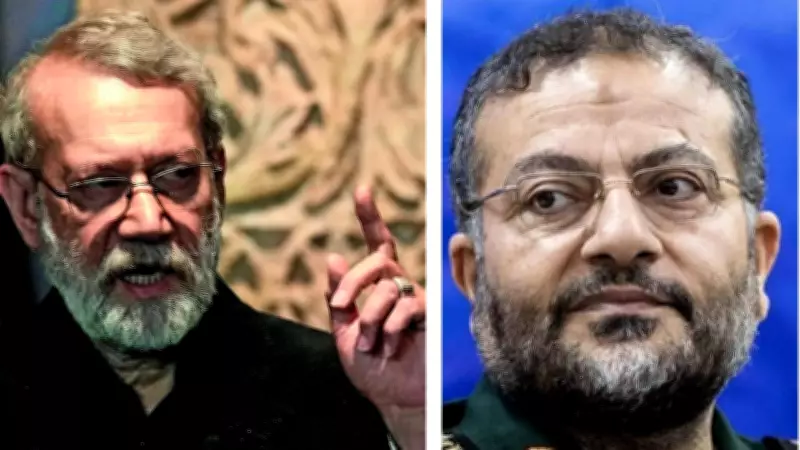
Israeli Defense Minister Israel Katz declared on Tuesday that two prominent Iranian security officials, Ali Larijani and General Gholam Reza Soleimani, were "eliminated last night" in a significant development in the ongoing Israel-Iran conflict. This announcement comes as tensions between the two nations reach a critical point, with Iran condemning Israeli actions and international figures like former US President Donald Trump warning about the war's fallout.
The Strategic Importance of Ali Larijani
Ali Larijani, 67, had effectively been running Iran behind the scenes since the death of Supreme Leader Ayatollah Ali Khamenei on February 28, coinciding with the first day of US-Israeli strikes. His elimination represents a major blow to Iran's leadership structure during what analysts describe as the country's greatest test in recent decades.
Larijani hailed from one of Iran's most influential political families, often compared to the Kennedy dynasty in the United States. His extensive career included:

- Serving as Speaker of Parliament for 12 years
- Being tasked by Khamenei with devising contingency plans for the Islamic Republic's survival in case of his assassination
- Negotiating a crucial 25-year strategic deal with China in 2021, worth billions and providing an economic lifeline amid Western sanctions
Following Israel's claims, Larijani's X account published a handwritten statement honoring Iranian sailors killed in a US attack, though the timing and authorship of this message remain unclear. Israeli Prime Minister Benjamin Netanyahu framed Larijani's killing as part of efforts to give Iranians an opportunity to remove their rulers.
General Gholam Reza Soleimani and the Basij Force
General Gholam Reza Soleimani led Iran's paramilitary Basij force, an all-volunteer organization fiercely loyal to the Islamic Republic. It's important to note he is not related to General Qassem Soleimani, the top Iranian general killed in a 2020 US strike.
An anonymous Israeli military official revealed that Soleimani was killed in a combat tent alongside other Basij commanders, who were using it as a makeshift headquarters after Israel targeted their bases. Born in the mid-1960s in Farsan, western Iran, Soleimani first joined the Basij as a volunteer during the Iran-Iraq war in 1984 and rose to become its commander in 2019.
The Basij force represents a critical component of Iran's internal security apparatus:
- Numbers in the thousands with military-style brigades
- Includes anti-riot police units
- Maintains an extensive network of informers monitoring Iranian society
- During protests, plainclothes members frequently attack, beat, and detain demonstrators
Broader Implications and Context
Both Larijani and Soleimani played pivotal roles in Iran's violent crackdown on protests in January that challenged the theocracy's 47-year rule. Their elimination strips Iran of important leadership during a period of intense conflict and internal unrest.
The Larijani family's political influence extends beyond Ali, with his brother Sadeq serving as head of Iran's judiciary and another brother, Mohammad Javad, acting as a senior diplomat who closely advised Khamenei on foreign affairs. This familial network underscores the interconnected nature of Iran's power structures.
As the conflict continues to unfold, with Iran accusing Israel of "ecocide" for bombing fuel depots and Trump warning NATO about war fallout, the elimination of these two security figures marks a significant escalation in hostilities that could reshape the regional balance of power in the Middle East.