Israel Releases Ultra-Orthodox Protesters Amid Conscription Unrest in Ofakim
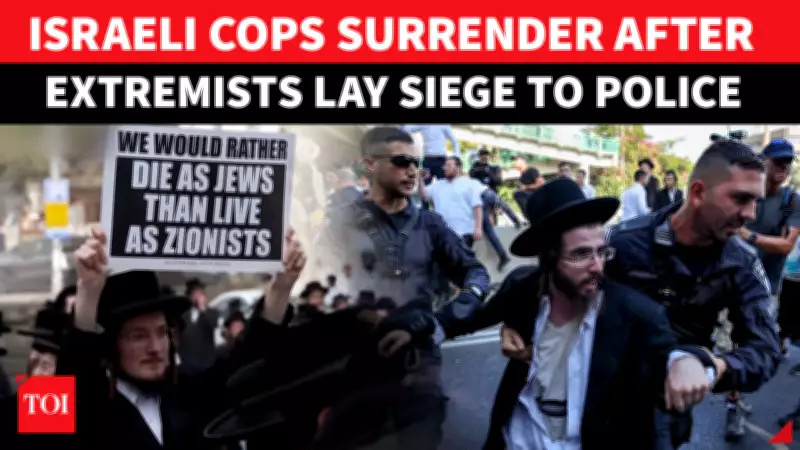
Fresh signs of internal strain are emerging in Israel as police released four ultra-Orthodox protesters in the southern city of Ofakim after violent demonstrations over military conscription. The unrest erupted following the arrest of a yeshiva student accused of evading draft orders, triggering hundreds of Haredi protesters to surround a police station and block city entrances.
Escalating Tensions Over Draft Evasion
The incident highlights growing resistance within Israel’s ultra-Orthodox community to compulsory military service, deepening political trouble for Prime Minister Benjamin Netanyahu as the country grapples with war fatigue, manpower shortages, and a bitter debate over exemptions from the draft. The release of the protesters was seen as a move to de-escalate the situation, but it underscores the volatile nature of the conscription issue.
Political Implications for Netanyahu
Prime Minister Benjamin Netanyahu faces mounting pressure as this unrest adds to his political challenges. The country is already dealing with war fatigue and significant manpower shortages in the military. The bitter debate over draft exemptions for ultra-Orthodox Jews has been a longstanding point of contention, and this protest brings it back to the forefront of national discourse.

The violent demonstrations in Ofakim involved protesters surrounding a police station and blocking key city entrances, causing disruptions and drawing attention to the deep-seated opposition within the Haredi community. The arrest of the yeshiva student served as a catalyst, igniting widespread anger and mobilization among ultra-Orthodox groups.
Broader Context of Israeli Society
This event is not isolated but part of a broader pattern of resistance to military conscription among Israel’s ultra-Orthodox population. Historically, many Haredi men have been exempt from mandatory service to pursue religious studies, a policy that has sparked criticism and legal battles. The current unrest reflects ongoing societal divisions and the difficulty in balancing religious freedoms with national security needs.
As Israel continues to navigate these complex issues, the release of the protesters in Ofakim may temporarily calm tensions, but the underlying conflict over conscription remains unresolved. The incident serves as a stark reminder of the internal strains that can surface in times of national crisis, impacting governance and social cohesion.