

Jaipur's Solar-Powered Cooling Station Offers Relief Amid Rising Temperatures
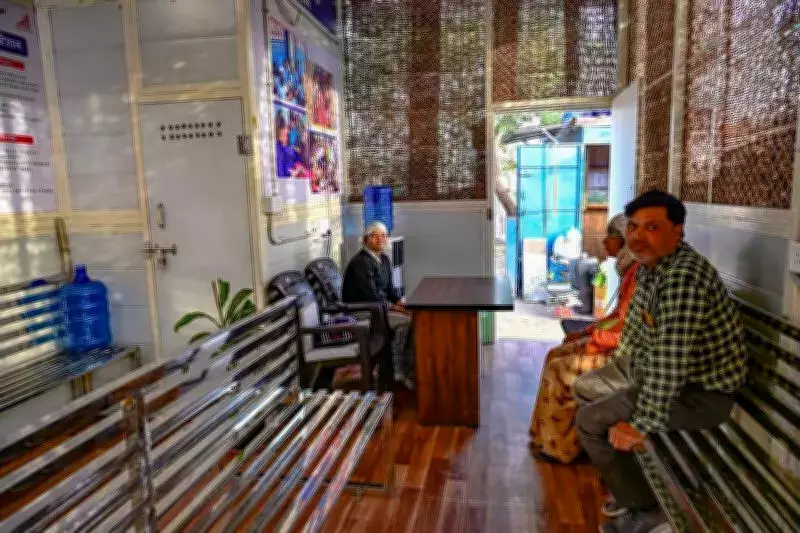
Amid rising temperatures in Jaipur, a small 'Net Zero Cooling Station' on VT Road has become a vital place of relief for pedestrians, daily wage workers, and passengers waiting for buses. The facility, located near City Park, was initiated in December by the Jaipur Municipal Corporation (JMC) in partnership with Mahila Housing Trust under a Corporate Social Responsibility (CSR) initiative as a pilot project.
Providing Protection for the Urban Poor
The primary aim of this innovative project is to offer protection from extreme heat to the urban poor and individuals working in the informal sector. This includes street vendors, drivers, gig workers, women, senior citizens, and other vulnerable members of the public. With temperatures now increasing significantly, the cooling station has begun to attract a steady stream of visitors seeking respite from the scorching weather.
Operational Details and Sustainable Design
The cooling station opens around 7 am and remains free for public use until 5:30 pm daily. It runs entirely on solar energy, with solar panels powering the lighting, fans, and sprinklers, making the structure environmentally friendly and sustainable. Khus grass panels and cooling arrangements around the structure help maintain a lower inside temperature, enhancing comfort for users.

Inside the station, mist fans and khus curtains work together to reduce the impact of high temperatures and provide immediate cooling. The design also incorporates a wind tower that allows hot air to rise and exit, thereby improving air circulation and maintaining a pleasant atmosphere. Additionally, essential amenities such as drinking water, Oral Rehydration Solution (ORS), and a first-aid kit are available to ensure the well-being of visitors.
A Model for Future Initiatives
This pilot project represents a forward-thinking approach to addressing heat-related challenges in urban areas, particularly for marginalized communities. By leveraging renewable energy and traditional cooling methods, it sets a precedent for sustainable public infrastructure that can be replicated in other cities facing similar climate issues. The collaboration between JMC and Mahila Housing Trust highlights the importance of public-private partnerships in creating impactful social solutions.






