

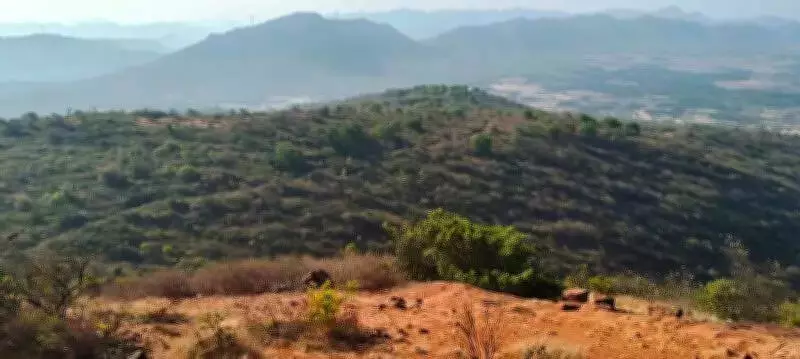
Jogimatti Wildlife Sanctuary Implements One-Month Entry Ban to Mitigate Wildfire Risks
The forest department in Chitradurga district has imposed a strict one-month closure of the popular Jogimatti hill station and wildlife sanctuary, citing heightened risks of wildfires during the summer season. Officials confirmed that public and tourist access will remain completely restricted until the end of February as a precautionary measure.
Official Statement on Safety Concerns
Chitradurga Deputy Conservator of Forests (DCF) Gopya Nayak explained the decision, stating that the sanctuary's scrub forest environment becomes particularly vulnerable during summer months. "Due to accident risks and high chances of wildfires as summer begins, entry is not permitted for the general public and tourists," Nayak emphasized. The restrictions have been implemented proactively to prevent potential disasters.
Access will be granted exclusively to senior officials, public representatives, and judges during this period. The DCF noted that normal public access is expected to resume in March with the onset of rains, which will bring new growth to the sanctuary's vegetation.

Background of Fire Prevention Measures
This precautionary action follows devastating wildfires that affected the forest area last summer, with officials attributing some incidents to tourist negligence. The department has taken early measures this year, halting access even before the peak summer season begins. Visitors arriving early in the morning have already been turned away disappointed.
Previously, entry was permitted from 6:00 AM to 11:00 AM, with visitors required to return by noon. However, this limited access has now been completely suspended due to fire risks during hot afternoons.
About Jogimatti Wildlife Sanctuary
Spanning 10,000 hectares across Chitradurga, Hiriyur, and Holalkere taluks, Jogimatti Wildlife Sanctuary is often described as "the Ooty of Karnataka." Located at an elevation of 3,803 feet above sea level, the sanctuary features:
- Dense vegetation supporting diverse wildlife including deer, bears, leopards, bison, civet cats, peacocks, and over 200 bird species
- The Adumalleshwara Mini Zoo and Himavat Kedara waterfalls, particularly scenic during rainy seasons
- Historical sites including the Chaudamma temple and areas once inhabited by monks
- Multiple water bodies such as Gopanakatte, Beeramallappana lake, Kumaranakatte, and Okkalikkan Kattes
- Notable geographical features including Jogigudda and Navilugudda
The sanctuary begins just 2 kilometers from Chitradurga city, with an 8-kilometer rocky path leading to the summit that becomes challenging to navigate during rainy seasons. Chitradurga district is also renowned for its historic fort, quails, granaries, valleys, and bastions, while Jogimatti is recognized as one of the windiest places in Asia.
Officials noted that while the sanctuary is known for its leopard and bear populations, wild elephants occasionally appear in the area. The temporary closure aims to protect this valuable ecosystem during its most vulnerable period.






