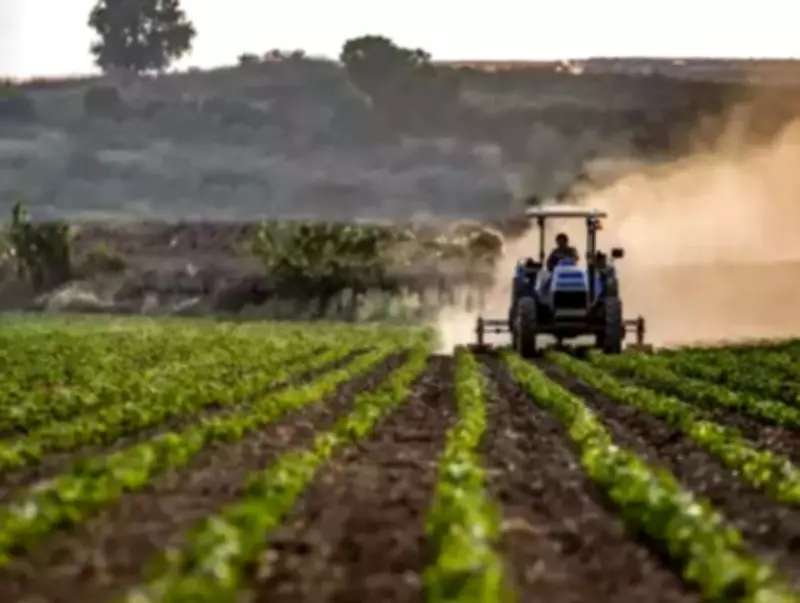
Kanpur Division Grapples with Rising Temperatures, Posing Severe Threat to Rabi Crops
The Kanpur division is currently experiencing a concerning upward trend in temperatures, which agricultural experts are warning could have devastating effects on key Rabi crops, including wheat, mustard, and gram. This climatic shift is raising alarms among farmers and scientists alike, as it threatens both crop yields and quality during a critical growth phase.
Recorded Temperature Data Highlights Abnormal Warming
On Tuesday, the division recorded a maximum temperature of 29.8°C, which is a significant 3.7°C above the normal range for this time of year. This follows a similarly elevated reading of 29.6°C on February 23, indicating a persistent pattern of unseasonable warmth. The minimum temperature has also remained above normal, measured at 12.8°C, further exacerbating the heat stress on agricultural lands.
Adding to the challenge, north-westerly winds were recorded blowing at a speed of 4.9 kmph. These winds are accelerating the evaporation of crucial soil moisture, creating drier conditions that can hinder crop development and increase irrigation demands.

Expert Warnings on Crop Damage and Yield Reduction
Weather expert Dr. S. Sunil Pandey has emphasized that above-normal temperatures in late February are particularly harmful for Rabi crops. This period is vital for stages such as flowering and grain formation, where optimal conditions are essential for healthy growth. A sudden spike in heat can lead to forced maturity, causing grains to develop prematurely and resulting in smaller, shrivelled produce that is often of inferior quality.
Experts estimate that even a modest increase of 2–3°C in temperature during the grain formation stage can reduce wheat yields by a substantial 10–15%. Similar declines are anticipated for mustard and chickpea (gram) yields, which could have widespread economic repercussions for farmers in the region.
Additional Risks: Pest Infestations and Soil Moisture Depletion
The hot and dry weather conditions are not only directly damaging crops but also creating an environment conducive to the spread of sucking pests such as aphids. These pests can compound crop damage, leading to further losses in both quantity and quality. Poor grain development from heat stress may prevent farmers from fetching remunerative prices in the market, adding financial strain to an already challenging situation.
Rising temperatures also lead to rapid depletion of soil moisture, increasing heat stress on plants and necessitating more frequent irrigation. This not only raises operational costs for farmers but also puts additional pressure on water resources in the area.
Advisories and Recommendations for Farmers
In response to these threats, the India Meteorological Department (IMD) has predicted bright sunshine across the division on Wednesday, with daytime temperatures likely to remain above normal. To mitigate the adverse effects, the IMD and agricultural experts have issued several key advisories:
- Continue Light Irrigation: Farmers are advised to maintain soil moisture through light irrigation practices, which can help regulate field temperatures and support crop health.
- Follow Weather Advisories Closely: Cultivators are urged to stay updated with weather forecasts and advisories issued by agricultural science centers in the coming days to make informed decisions about crop management.
By taking proactive measures, farmers may be able to minimize the impact of these rising temperatures on their Rabi crops, though the situation remains precarious as the heat wave persists.