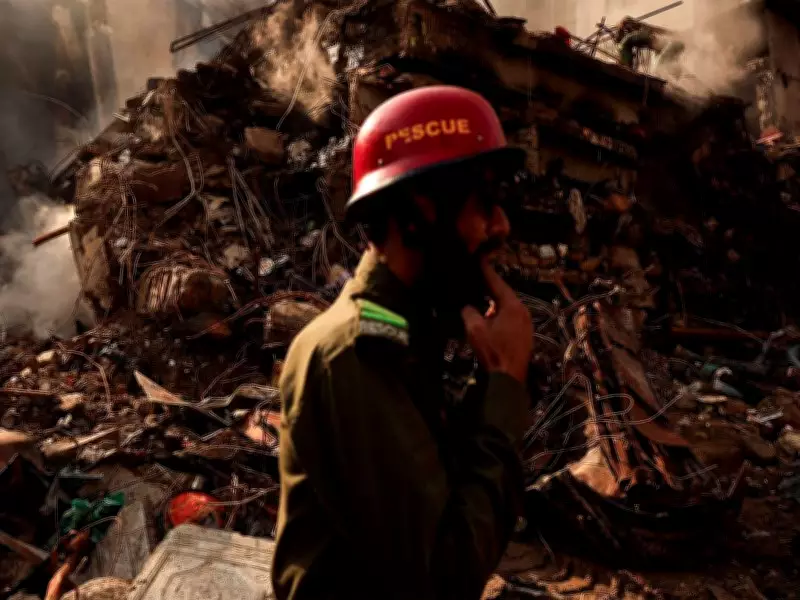
Systemic Failures Cripple Karachi Fire Brigade as Probe Exposes Critical Shortages After Gul Plaza Blaze
A recent investigation into the devastating Gul Plaza fire in Karachi has uncovered deep-seated systemic failures that are severely crippling the city's fire brigade. The probe highlights a trifecta of critical shortages in power, water, and staff, raising serious concerns about public safety and emergency response capabilities in Pakistan's largest metropolis.
Power and Water Shortages Hamper Firefighting Efforts
The report details how frequent power outages and inadequate water supply have consistently hampered firefighting operations. During the Gul Plaza incident, firefighters faced significant delays due to unreliable electricity, which affected equipment functionality and communication systems. Additionally, insufficient water pressure and access to hydrants forced crews to rely on alternative sources, slowing down their response time and effectiveness in controlling the blaze.
Severe Staff Shortages Exacerbate the Crisis
Compounding these issues, the fire brigade is grappling with a severe shortage of trained personnel. The probe reveals that many fire stations are operating with skeleton crews, leading to overworked staff and reduced readiness for emergencies. This staffing crisis has been attributed to budget constraints and a lack of recruitment, further weakening the brigade's ability to respond promptly and efficiently to fires across Karachi.

Urgent Calls for Infrastructure Overhaul
In response to these findings, experts and officials are calling for an urgent overhaul of Karachi's firefighting infrastructure. Recommendations include upgrading equipment, improving water supply networks, and increasing staffing levels through targeted recruitment and training programs. The Gul Plaza blaze serves as a stark reminder of the dire need for systemic reforms to prevent future tragedies and ensure the safety of Karachi's residents.