Karnataka Tops India's Clean Energy Rankings While Battling Infrastructure Deficiencies
Karnataka has solidified its position as India's undisputed leader in clean energy generation, achieving remarkable milestones in renewable capacity installation. The state's aggressive push toward sustainable power sources has positioned it at the forefront of India's ambitious energy transition agenda.
Record-Breaking Renewable Capacity Achievements
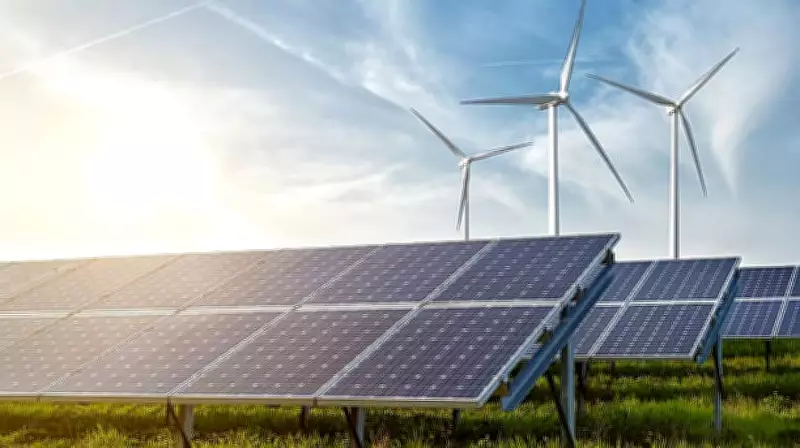
By the end of October 2025, Karnataka's cumulative installed capacity for non-fossil fuel energy sources had surpassed the significant threshold of 100 gigawatts. This achievement represents a crucial step toward India's broader national target of reaching 500 gigawatts of installed non-fossil fuel capacity by 2030. The state's rapid expansion in solar, wind, and other renewable energy installations has outpaced most other Indian states, making it a model for clean energy development.
The state's renewable energy sector has experienced unprecedented growth over the past decade, with substantial investments in both utility-scale projects and distributed generation systems. This expansion has been driven by favorable geographic conditions, progressive state policies, and increasing private sector participation in the green energy market.

Persistent Challenges in Power Distribution and Grid Management
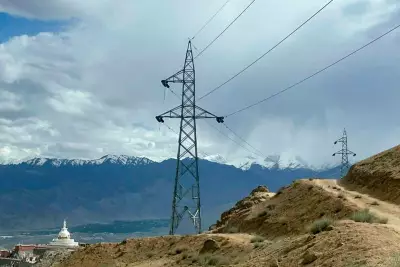
Despite its leadership in generation capacity, Karnataka continues to struggle with significant weaknesses in its overall power ecosystem. The state's transmission and distribution infrastructure has not kept pace with the rapid growth in renewable energy production, creating bottlenecks that limit the full utilization of clean power resources.
Key issues plaguing Karnataka's power sector include:
- Inadequate grid modernization to handle intermittent renewable sources
- Limited energy storage capacity to address supply-demand mismatches
- Challenges in last-mile distribution to rural and remote areas
- Regulatory hurdles in integrating decentralized renewable projects
These infrastructure deficiencies have resulted in situations where clean energy generation capacity remains underutilized, while certain regions continue to experience power shortages or rely on conventional fossil fuel-based electricity.
Strategic Importance for India's 2030 Renewable Energy Goals
Karnataka's performance carries national significance as India works toward its 500-gigawatt non-fossil fuel target for 2030. The state's achievements demonstrate both the potential and the challenges of rapid renewable energy adoption in a developing economy with complex energy needs.
Experts emphasize that addressing Karnataka's power ecosystem weaknesses is crucial not only for the state but for India's broader energy security and climate commitments. Solutions being considered include enhanced grid flexibility, expanded energy storage systems, improved forecasting technologies for renewable generation, and policy reforms to encourage investment in transmission infrastructure.
The state government has acknowledged these challenges and is reportedly developing comprehensive plans to strengthen the entire power value chain—from generation through transmission to distribution—while maintaining its leadership in clean energy capacity expansion.