

In a groundbreaking move for wildlife conservation in India, the Karnataka Forest Department has launched a unique initiative by deploying specially trained canine squads across all five of the state's tiger reserves. This marks the first such program in the country, showcasing Karnataka's proactive approach to protecting its rich biodiversity and natural habitats.
A Pioneering Training Program for Wildlife Protection
The initiative is the result of meticulous planning and training. A total of 10 Belgian Malinois dogs underwent an intensive, year-long training regimen. This included a crucial one-month period dedicated to acclimatising the dogs to the specific local conditions of the reserves where they would be stationed. To facilitate this specialised training, the department established a dedicated canine squad training centre a year ago, setting a new benchmark for wildlife law enforcement in India.
Strategic Deployment Across Key Reserves
The trained canine teams have now been strategically stationed, with two dogs assigned to each of the five major tiger reserves: Bandipur, Nagarahole, BRT, Kali, and Bhadra. Their primary mission is to bolster anti-poaching operations and assist forest officers in detecting illegal activities within the protected areas. The very presence of these highly skilled dogs is expected to serve as a powerful deterrent to poachers and other offenders, thereby playing a significant role in conserving endangered species and their ecosystems.

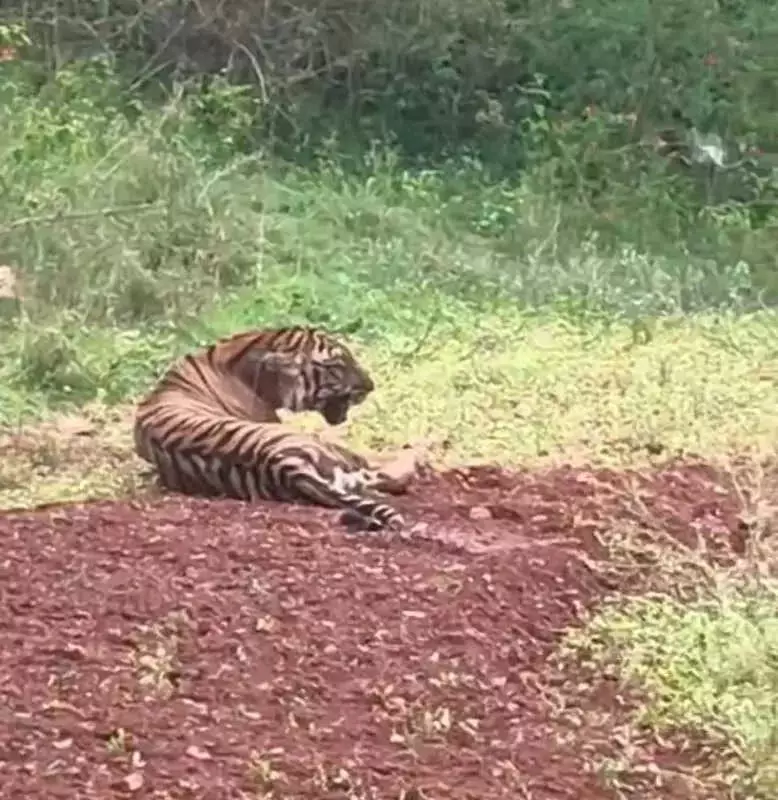
Field Director of Project Tiger, S Prabhakaran, confirmed to TOI that this first batch of 10 detective dogs has been successfully trained and deployed. He emphasised that having detective dogs will be immensely helpful in protection and conservation work. The effectiveness of the program is already being demonstrated. Recently, a trained dog named Stella assisted foresters in locating the remaining parts of a tiger that had been severed into three pieces at the MM Hills Wildlife Sanctuary.
Specialised Skills and National Interest
The dogs have been rigorously trained to detect a range of wildlife contraband, including skin, tusks, and horns from various animals. Furthermore, they are skilled in tracking the movement of poachers inside reserve forests by following clues left behind at crime scenes. The training was overseen by noted canine behaviour expert, Amrut S Hiranya, who worked closely with both the dogs and their handlers.
Prabhakaran highlighted that while dogs were trained in Haryana previously, Karnataka has now emerged as a dedicated canine training centre for wildlife crime detection. The success of this pioneering project has generated interest from forest departments in other states, who are now looking to induct similar canine units into their teams. This initiative positions Karnataka at the forefront of innovative wildlife protection strategies in India.






