

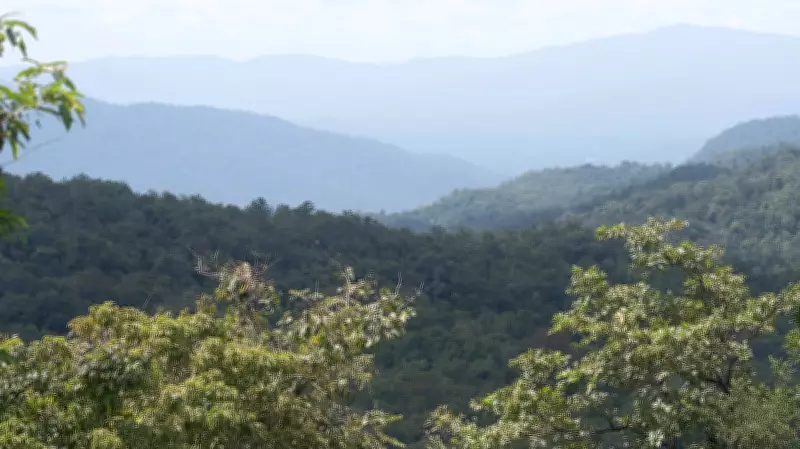
Karnataka's Temple Tourism Boom Creates Environmental Crisis for Rivers and Wildlife
The rapid expansion of temple tourism in Karnataka's Udupi district is triggering a severe environmental crisis, with local rivers being transformed into open sewers and the delicate ecosystem of the Mookambika Wildlife Sanctuary facing significant threats. This alarming situation highlights the urgent need for sustainable tourism practices in one of India's most biodiverse regions.
River Systems Degraded by Uncontrolled Tourism Waste
Multiple water bodies in the temple-rich Kollur region are now functioning as de facto sewage channels due to inadequate waste collection and management systems. The surge in pilgrim visitors to sacred sites has overwhelmed existing infrastructure, leading to direct discharge of untreated waste into river systems that once supported local communities and wildlife.
Environmental experts warn that continued neglect could cause irreversible damage to aquatic ecosystems, with pollutants accumulating in sediment and entering the food chain through affected wildlife populations.

Mookambika Wildlife Sanctuary Faces Mounting Pressure
The Mookambika Wildlife Sanctuary, which forms part of the crucial protected area network alongside the Someshwara Wildlife Sanctuary and Kudremukh National Park, is experiencing direct consequences from the tourism-induced pollution. This interconnected troika of conservation areas represents one of Karnataka's most important biodiversity hotspots, home to numerous endangered species and unique habitats.
Wildlife officials report increasing evidence of habitat degradation along sanctuary boundaries where polluted waterways enter protected zones. The contamination affects both terrestrial and aquatic species that depend on clean water sources for survival, with potential long-term impacts on population health and genetic diversity.
Tourism Growth Outpaces Environmental Safeguards
Local authorities acknowledge that tourism development has dramatically accelerated without corresponding investments in environmental protection measures. The temple tourism sector, while economically beneficial for the region, has created a substantial ecological footprint that current waste management systems cannot adequately address.
Key challenges identified include:
- Insufficient waste processing facilities for the volume generated by tourist influx
- Limited monitoring of pollution sources along river courses
- Inadequate coordination between tourism, environmental, and wildlife departments
- Growing pressure on sanctuary boundaries from expanding tourism infrastructure
Urgent Calls for Sustainable Tourism Framework
Conservation groups and community organizations are advocating for immediate intervention to balance religious tourism with environmental stewardship. Proposed solutions include developing comprehensive waste management systems specifically designed for high-volume pilgrimage periods, implementing stricter regulations on tourism development near protected areas, and creating buffer zones around critical wildlife habitats.
The situation in Karnataka's temple tourism belt serves as a cautionary example of how rapid tourism growth without proper environmental safeguards can threaten both natural heritage and the very attractions that draw visitors. As the state grapples with this complex challenge, the future of its rivers and wildlife sanctuaries hangs in the balance.






