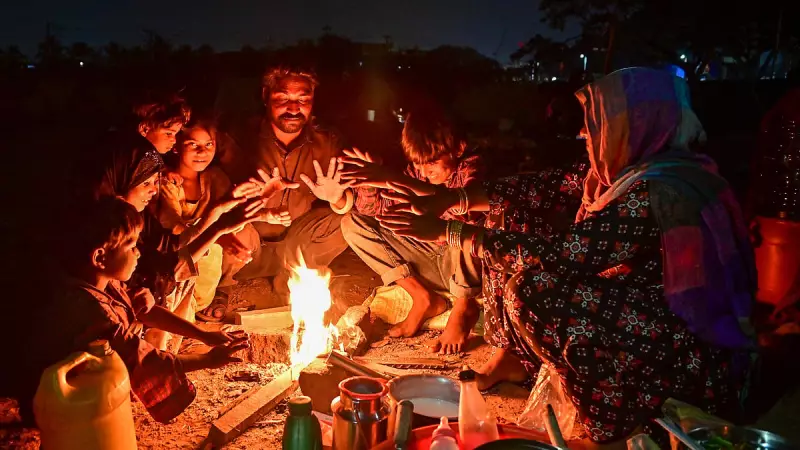
Residents across Karnataka are bundling up as a significant and persistent cold wave tightens its grip on the state. Meteorological data reveals a concerning pattern: the current dip in mercury is not an isolated event but part of a sharper, longer-term cooling trend observed over the past two decades.
A Pattern of Record-Breaking Chill
The most compelling evidence for this shift lies in the record books. Analysis shows that a majority of the ten all-time lowest minimum temperatures recorded in several districts across Karnataka have been documented only in the years since 2005. This statistic, highlighted by weather observers, points to a measurable intensification of winter cold in the region over the recent past.
While cold winters are not new to parts of the state, the frequency and intensity of these record-breaking lows mark a notable deviation. The data suggests that what communities are experiencing now is part of a broader climatic adjustment, with winters potentially becoming more pronounced in their chill.

Understanding the Data and Timeline
The key details of this weather phenomenon were reported on 27 December 2025, with insights from Vittal Shastri. The report underscores that the trend is not confined to a single season but represents a multi-year pattern. The focus on records set post-2005 provides a clear, two-decade timeframe for studying this change.
This information is crucial for agricultural planning, public health preparedness, and daily life. Farmers, in particular, need to be aware of such trends to protect crops sensitive to frost and extended cold spells.
Implications for Karnataka's Future
The consistent setting of new low-temperature records has several implications:
- Agricultural Impact: Extended cold can damage horticultural crops and affect Rabi season yields, requiring adaptive farming techniques.
- Health Concerns: Increased instances of cold-related illnesses, especially among vulnerable populations, necessitate better public health warnings and infrastructure.
- Infrastructure and Daily Life: Regions unaccustomed to severe cold may face challenges related to water supply, power demand for heating, and transportation.
As Karnataka continues to feel the chill, understanding this long-term trend becomes essential. The pattern of record lows since 2005 serves as a clear indicator that the state's winter profile may be changing, prompting a need for informed adaptation and preparedness among its citizens and policymakers alike.