

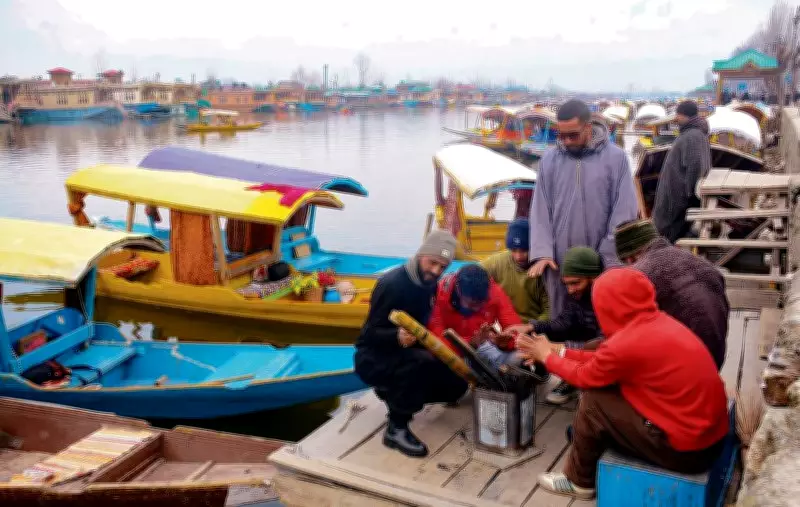
Unusual Winter Weather Pattern Grips Kashmir Valley
The picturesque Kashmir Valley, renowned for its frigid winters, is currently experiencing a peculiar meteorological shift. This season has been marked by notably warmer nights juxtaposed with colder days, a deviation from the region's typical climate patterns. According to meteorological experts, this anomaly is primarily driven by climate change and a significant reduction in snowfall, which has disrupted the usual thermal balance of the area.
Key Factors Behind the Temperature Anomaly
Several factors contribute to this unusual weather phenomenon in the Valley. The most prominent is the ongoing impact of global climate change, which has led to erratic weather patterns worldwide. In Kashmir, this manifests as altered temperature cycles, with nights retaining more heat due to increased cloud cover and atmospheric changes, while days remain cooler because of reduced solar insulation and lingering cold air masses.
Additionally, the region has seen a stark decline in snowfall this winter. Snow acts as a natural insulator, reflecting sunlight during the day and trapping heat at night. With less snow cover, the ground absorbs more heat during the day, leading to cooler daytime temperatures, but releases it rapidly at night, resulting in warmer nocturnal conditions. This imbalance is exacerbated by local environmental factors, such as deforestation and urbanization, which further alter microclimates.

Implications for Agriculture and Daily Life
The shift in weather patterns has profound implications for the Valley's agriculture, which is heavily dependent on predictable seasonal cycles. Warmer nights can disrupt the dormancy period of crops like apples and saffron, potentially affecting yields and quality. Colder days may delay planting schedules and increase the risk of frost damage to early-blooming plants, threatening livelihoods in this agrarian region.
For residents, the unusual temperatures pose challenges to daily life. Warmer nights reduce the need for heavy heating, offering some relief from high energy costs, but colder days necessitate continued use of warm clothing and heating during daylight hours. This contrast can lead to health issues, such as respiratory problems from fluctuating temperatures, and disrupt traditional winter activities like tourism and outdoor sports.
Expert Insights and Future Outlook
Meteorologists warn that if current trends persist, the Kashmir Valley could face more frequent and intense weather anomalies in the coming years. They emphasize the need for adaptive measures, such as improved forecasting systems and sustainable agricultural practices, to mitigate impacts. Public awareness campaigns on climate resilience are also crucial to help communities cope with these changes.
In summary, the warmer nights and colder days in the Kashmir Valley highlight the tangible effects of climate change on regional climates. This serves as a stark reminder of the urgent need for global and local action to address environmental challenges and protect vulnerable ecosystems and communities.






