

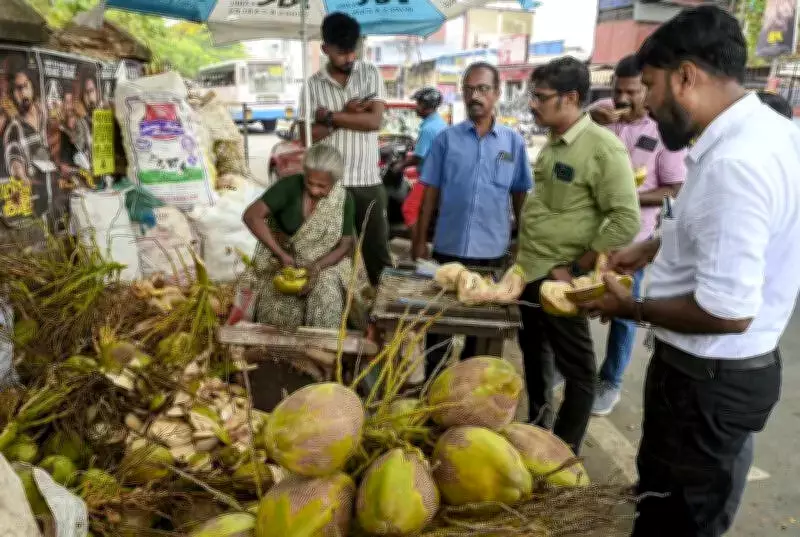
Kerala's Coastal Regions Confront Escalating Humid Heatwave Threat During Monsoon Interruptions
A groundbreaking new study has uncovered a mounting climate threat facing Kerala's coastal districts, where humid heatwaves are becoming increasingly prevalent during breaks in the summer monsoon. The research warns of severe health implications and underscores the critical need for advanced preparedness measures to protect vulnerable populations.
Dangerous Combination of Heat and Humidity
The comprehensive study, spearheaded by scientists at the University of Reading in the United Kingdom and published in the esteemed journal Climate Dynamics, identifies a disturbing pattern emerging along Kerala's coastline. Unlike conventional heatwaves driven primarily by high temperatures, these humid events result from a perilous combination of elevated heat and excessive moisture in the atmosphere.
"Kerala's coastal districts demonstrate significantly higher susceptibility to humid heatwaves during the summer monsoon compared to inland regions," explained Dr. Akshay Deoras, the study's lead author. "The risk escalates dramatically during monsoon break phases when atmospheric conditions create this dangerous mix."

Understanding Wet-Bulb Temperature Measurements
The research employs wet-bulb temperature as a crucial metric to evaluate the severity of these humid heat events. This measurement combines both heat and humidity factors to provide a comprehensive assessment of environmental conditions that affect human physiology.
- Higher wet-bulb temperatures indicate environments where the body's natural cooling mechanism through sweating becomes ineffective
- These conditions can trigger rapid overheating within hours, even when air temperatures don't appear extreme
- The body experiences cardiovascular strain and increased risk of heatstroke under such circumstances
Significant Implications for Public Health and Preparedness
The study's findings carry profound implications for disaster management and public health planning in Kerala's coastal regions. Researchers discovered that these humid heatwave conditions can be accurately forecast up to four weeks in advance, providing authorities with a critical response window.
This advance warning system could enable:
- Strategic mobilization of healthcare resources and personnel
- Timely establishment of cooling centers in vulnerable communities
- Adjustment of school schedules and outdoor activity timings
- Ensuring adequate power supply during peak demand periods
- Implementation of public awareness campaigns about heat-related illnesses
Comprehensive Data Analysis and Research Methodology
The study represents one of the most comprehensive analyses of humid heatwaves in the region, drawing on 84 years of atmospheric data spanning from 1940 to 2023. Researchers utilized multiple data sources including:
- The ERA5 global reanalysis dataset providing detailed climate information
- Rainfall records from the India Meteorological Department
- Analysis of 261 active monsoon phases and 188 break periods
This collaborative research effort involved scientists from the University of Leeds, the UK Met Office, and the Indian Institute of Tropical Meteorology, combining international expertise to address this pressing climate challenge.
The study emphasizes that while temperatures might not reach extreme highs, the combination of heat and humidity creates conditions where the human body cannot effectively cool itself, making these events particularly dangerous for vulnerable populations including the elderly, children, and outdoor workers.






