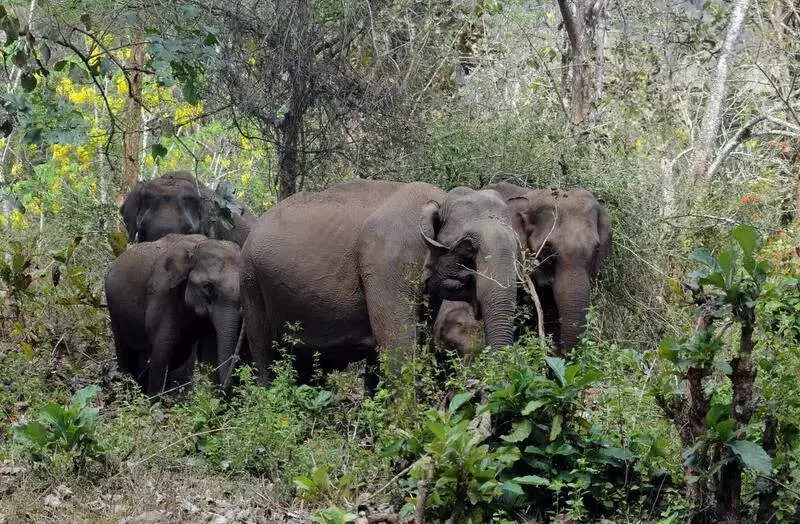
The year 2025 proved to be a period of severe strain and conflict for Kerala's forests, its wildlife, and the communities residing in the ecologically sensitive high ranges. A series of policy missteps, tragic fatalities, and escalating encounters between humans and animals painted a grim picture for conservation efforts in the state.
A Year of Policy Failures and Escalating Conflict
The tone for the year was set early with the shelving of the Kerala Forest (Amendment) Bill 2024, a legislative measure originally designed to bolster forest protection. This decision opened the doors for a wave of unscientific developments in the subsequent months. The period was marred by a spate of suspicious wildlife deaths, the unchecked proliferation of roads, and a significant surge in human-animal encounters both inside forests and in their fringe areas.
Rather than addressing the root causes of these interconnected crises, the state government chose to push through the controversial Wildlife Protection (Kerala Amendment) Bill 2025. This bill was widely criticized by environmentalists and experts as being driven more by political interests than by a genuine desire to provide meaningful solutions to ecological degradation and human safety concerns. The looming threat of climate change further compounded these man-made problems.

The Human Cost: Tribal Communities Bear the Brunt
The year opened on a tragic note in January when a wild elephant trampled a tribal man to death in the Nilambur forest. This incident was, unfortunately, not an isolated event. Data reveals that 24 people lost their lives in human-animal interactions reported in Kerala's forests and fringe areas in that fiscal year. A majority of these victims belonged to marginalized tribal communities, whose daily livelihoods and sustenance require frequent movement through forest landscapes, placing them in direct and repeated contact with wildlife.
Simultaneously, forests across Kerala are experiencing increased fragmentation due to linear infrastructure projects like roads. This steady dismantling of traditional animal movement corridors has intensified the frequency of dangerous encounters with each passing day.
Political Posturing and a Flawed Response
Amid public outrage, the forest department launched 10 special missions aimed at crisis mitigation, including initiatives to remove invasive alien plant species. In a parallel move to pacify affected communities, the state government declared human-animal encounters a state-specific disaster, facilitating the immediate release of compensation to victims' families.
However, ignoring the underlying causes and the climate change threat, 2025 also saw both the Chief Minister and the Forest Minister publicly calling for the culling of wild animals—a stance considered unbecoming of a state that prides itself on environmental consciousness. With an eye on electoral gains ahead of the 2026 assembly elections, the government appeared increasingly willing to echo the demands of fringe groups, as well as influential mining, tourism, and certain religious lobbies in the high ranges, which propagated a narrative of uncontrolled wild animal populations.
This political consensus culminated in the passage of the detrimental wildlife protection bill in the assembly, a legislation formulated in violation of central statutes and one that weakens the core ethos of conservation. Badusha, President of the Wayanad Prakriti Samrakshana Samiti, observed that while the government's claims did not resonate in the local body elections, the run-up to the assembly polls would see intensified lobbying by groups with vested interests.
Wildlife Deaths and a Silver Lining
On the wildlife front, the year was marked by deeply troubling incidents, including the suspicious deaths of four tigers in Wayanad and an entire herd of elephants in Malayattoor. These events triggered official inquiries and renewed concerns over protection and enforcement mechanisms within forest areas.
In a small measure of relief, Kerala was spared any major natural disasters in 2025. Yet, this did little to offset the overarching narrative of a year where ecological balance, tribal safety, and sound conservation policy were severely compromised.