

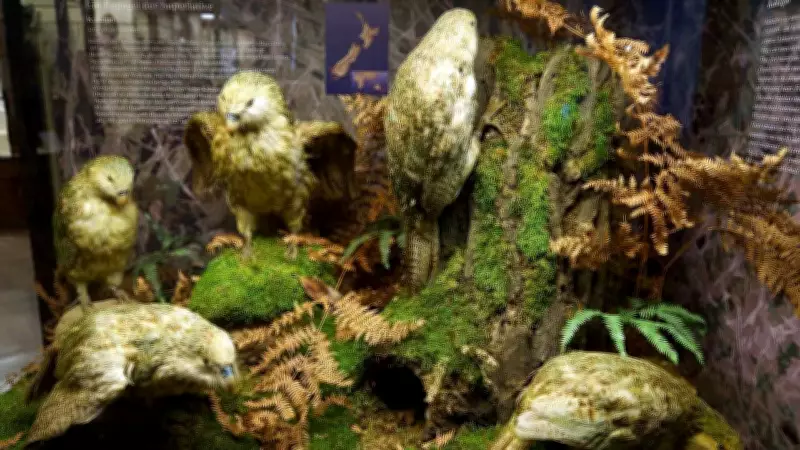
Kākāpō: The Flightless Parrot's Remarkable Tale of Survival and Conservation
In a world where the ability to fly is often seen as a bird's greatest advantage, the kākāpō stands out as a fascinating exception. This unique species of parrot, found exclusively in New Zealand, has evolved to be flightless, defying conventional expectations. Despite this apparent disadvantage, the kākāpō has endured for centuries in its isolated environment, offering a compelling story that goes beyond mere survival to become a symbol of resilience and conservation.
What Sets the Kākāpō Apart
The kākāpō is renowned for its impressive size and weight, making it the heaviest parrot species in the world. Unlike typical parrots with bodies adapted for flight, the kākāpō boasts a robust physique and strong legs, perfectly suited for walking and climbing. Its plumage is soft, featuring shades of green and yellow that provide excellent camouflage in the forest environment, helping protect it from potential threats.
A Life That Begins After Sunset
Unlike most birds that are active during daylight hours, the kākāpō comes alive at night. It rests in sheltered locations during the day and ventures out after sunset to forage for food. According to the New Zealand Department of Conservation, the kākāpō is a flightless, nocturnal, and critically endangered species, with its population meticulously managed and monitored through intensive conservation efforts. Its diet primarily consists of plants such as leaves, fruits, and seeds, and its slow, nocturnal movements reduce exposure to danger.

How Evolution Took Away Its Ability to Fly
The kākāpō's lack of flight is not accidental but a result of evolutionary adaptation. In New Zealand, where land predators were historically scarce, there was little need for birds to fly to escape threats. Over time, the kākāpō adapted by redirecting its energy from flight to other survival strategies, such as climbing trees and gliding down when necessary.
An Unusual Approach to Reproduction
The kākāpō has a rare and unpredictable reproductive method. Males produce loud, resonating calls that can travel long distances to attract females. Females select mates based on these sounds, and breeding occurs only when specific food resources are available, which can be inconsistent. This unique strategy has shaped the species' survival for millennia.
Why the Species Faced Decline
For thousands of years, the kākāpō's survival strategies were effective until human intervention introduced predators into its ecosystem. Being flightless and ground-dwelling made it an easy target, leading to a significant population decline that nearly resulted in extinction.
The Effort to Bring It Back
Conservation has been crucial in saving the kākāpō. Remaining individuals were relocated to predator-free islands, and today, each kākāpō is closely monitored with controlled breeding programs. Technology plays a key role in tracking their health and enhancing survival rates, making this a success story in wildlife preservation.






