

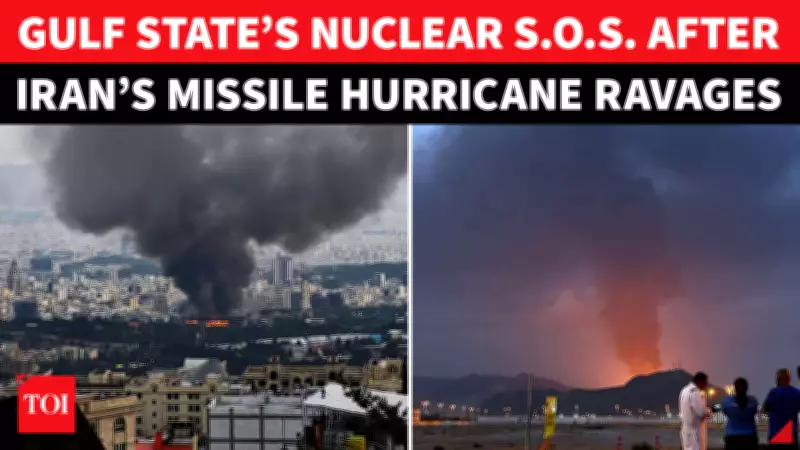
Kuwait Sounds Alarm Over Potential Nuclear Leak in Middle East
Fears of a nuclear catastrophe are mounting across the Middle East as Kuwait has issued an urgent public safety alert warning of a possible nuclear or radioactive leak in neighboring regions. The warning comes amid escalating military conflict between the United States, Israel, and Iran that has intensified strikes on nuclear-linked facilities.
Escalating Conflict Raises Radiation Concerns
The Kuwaiti alert specifically references concerns about radioactive contamination spreading from conflict zones where nuclear-related sites have been targeted. Recent military actions have included continued strikes on Iran's nuclear-linked installations and retaliatory attacks near sensitive locations in Israel, including areas in proximity to the Negev Nuclear Research Center.
While no confirmed source of any radioactive leak has been identified, the intensifying warfare has significantly raised alarm about the potential for a nuclear incident. The situation represents one of the most serious nuclear safety threats the region has faced in recent years.

Emergency Preparedness and Monitoring
Kuwaiti authorities have confirmed that emergency response systems are currently on high alert and standing by for potential activation. Radiation levels across the Gulf region are being closely monitored through specialized detection networks, with particular attention to border areas and atmospheric conditions.
The public warning represents a precautionary measure designed to ensure population preparedness should the situation deteriorate further. Regional governments are coordinating their response protocols as the conflict shows no signs of de-escalation.
Broader Regional Implications
The nuclear safety alert comes as military tensions reach new heights in the Middle East. The conflict has expanded beyond traditional battlefields to include strikes on critical infrastructure, with recent attacks targeting:
- Iran's nuclear research and development facilities
- Strategic locations near Israel's nuclear research center
- International infrastructure including airports and fuel depots
- Military installations across multiple nations
This development marks a dangerous escalation in regional hostilities, transforming what began as political and military confrontations into a potential environmental and public health crisis with far-reaching consequences.
As the situation continues to evolve, international observers are closely monitoring radiation levels and urging restraint from all parties involved to prevent what could become a catastrophic nuclear incident affecting millions across the Middle East.






