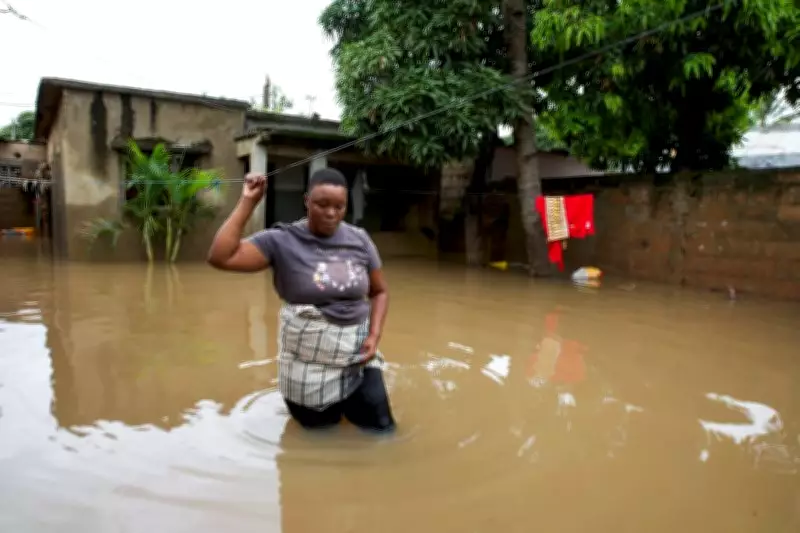
La Niña and Climate Change Combine to Fuel Catastrophic Flooding in Southern Africa
Southern Africa is currently grappling with a severe and devastating flood crisis, with experts pointing to a dangerous combination of La Niña weather patterns and the escalating impacts of climate change as the primary drivers. These catastrophic floods have led to widespread destruction, displacing communities, damaging infrastructure, and causing significant loss of life across the region.
The Role of La Niña in Intensifying Rainfall
La Niña, a natural climate phenomenon characterized by cooler-than-average sea surface temperatures in the central and eastern Pacific Ocean, has been identified as a key factor in the recent extreme weather events. This phenomenon typically alters global weather patterns, often resulting in increased rainfall in certain parts of the world, including Southern Africa. During La Niña episodes, the region experiences heavier and more persistent precipitation, which can overwhelm drainage systems and riverbanks, leading to flash floods and prolonged inundation.
Climate Change Exacerbates the Disaster
While La Niña is a natural occurrence, climate change is amplifying its effects, making the floods more intense and frequent. Rising global temperatures contribute to higher evaporation rates, which in turn increase atmospheric moisture. This enhanced moisture content fuels more powerful and erratic storms, resulting in unprecedented rainfall levels. Scientists warn that human-induced climate change is making such extreme weather events more common and severe, underscoring the urgent need for global action to reduce greenhouse gas emissions.

Impact on Southern African Nations
The floods have had a profound impact on several countries in Southern Africa, including:
- Widespread Damage: Homes, roads, and agricultural lands have been submerged, leading to economic losses and food insecurity.
- Humanitarian Crisis: Thousands of people have been displaced, with many seeking shelter in temporary camps, and there have been reports of casualties.
- Environmental Consequences: The floods have caused soil erosion, water contamination, and disruption to ecosystems, posing long-term challenges for recovery and sustainability.
Call for Adaptation and Mitigation Strategies
In response to this disaster, governments and international organizations are emphasizing the importance of robust adaptation and mitigation measures. Key recommendations include:
- Improving Infrastructure: Investing in flood-resistant buildings, better drainage systems, and early warning systems to enhance resilience.
- Promoting Sustainable Practices: Encouraging reforestation, sustainable agriculture, and water management to reduce vulnerability to future floods.
- Global Cooperation: Strengthening international efforts to combat climate change through agreements and funding for vulnerable regions like Southern Africa.
As Southern Africa recovers from this catastrophe, the floods serve as a stark reminder of the interconnectedness of natural phenomena and human activities. Addressing the dual challenges of La Niña and climate change is crucial to preventing similar disasters in the future and safeguarding the well-being of communities across the region.