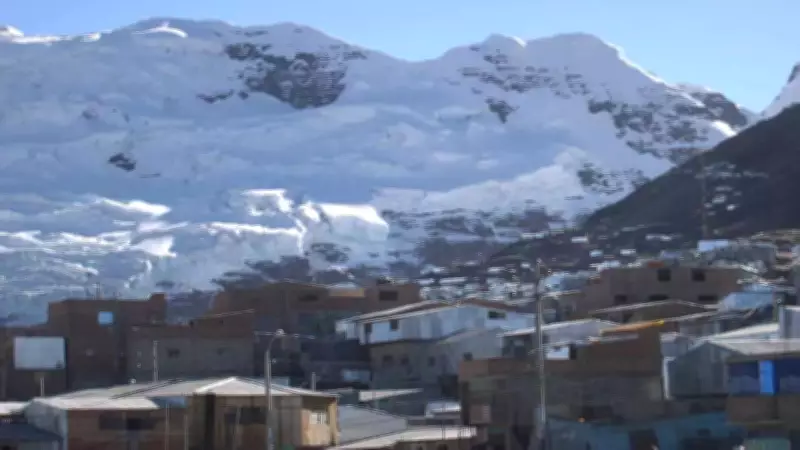
Life at 16,732 Feet: The Harsh Reality of Peru's La Rinconada Gold Mining Town
While many of us sleep comfortably in our beds, fretting over trivial daily concerns, there exists a remote corner of the Earth where the fundamental struggle is simply to breathe. This is La Rinconada, a town perched in the Peruvian Andes at an astonishing altitude of approximately 5,100 meters (16,732 feet), earning it the title of the highest permanent human settlement on the planet. Here, every breath is a conscious effort, clean water is a rare luxury, and survival is a daily testament to human resilience.
The Altitude and Oxygen Challenge
Technically, humans should not inhabit such extreme elevations. The atmospheric pressure at this height results in air that contains only about half the oxygen found at sea level. Breathing becomes a laborious task, with outsiders and travelers often relying on oxygen cylinders to prevent severe altitude sickness. For the residents, primarily gold miners and their families, this thin air is a constant companion, contributing to an average life expectancy of just 35 to 40 years.
A Town Built on Gold
La Rinconada's existence is singularly driven by gold mining. What began as a modest mining camp in the late 20th century has evolved into an informal, permanent town dominated by tin houses that dot a landscape resembling another world. Hundreds of men flock here, working day and night in the hope of striking gold, despite the perilous conditions. The town has earned grim nicknames like "Devil's Paradise" due to its lawless environment, with no police stations and crime rates soaring.

Daily Struggles and Infrastructure Deficits
Life in La Rinconada is marked by extreme hardship. Basic infrastructure is virtually non-existent: there is no running water or sewage system, leading to open dumping grounds and accumulated garbage due to a lack of collection services. Electricity is unreliable, and medical facilities are minimal, posing serious risks in cases of altitude sickness or injury. Social challenges, including informal mining practices and pollution, only compound the difficulties, making daily survival a relentless battle.
How to Reach and Survive a Visit
Reaching La Rinconada is an arduous journey in itself. It typically involves flying to Lima, Peru's capital, then taking a domestic flight to Juliaca, followed by a 3–4 hour road trip to Puno—the last point with decent accommodations. From there, rugged mountain roads and 4x4 vehicles are required for a steep ascent, often with local guides for safety. High-altitude travel demands proper acclimatization, and visitors are advised to carry their own food and water, as dining options are scarce. Gold mines are visible throughout the area, but they are dangerous and should only be approached with local supervision.
This remote settlement is not a conventional travel destination; it requires immense courage, physical strength, and thorough preparation. La Rinconada stands as a stark reminder of human endurance in the face of nature's most formidable challenges.