Lahore's Ramazan Price Spiral Exposes Weak Market Control in Pakistan
In Lahore, Pakistan, the holy month of Ramazan has been marred by a severe price spiral for essential goods, highlighting significant weaknesses in market control and governance. This crisis has left millions of citizens struggling to afford basic necessities, raising urgent concerns about economic stability and public welfare.
Escalating Costs of Essential Commodities
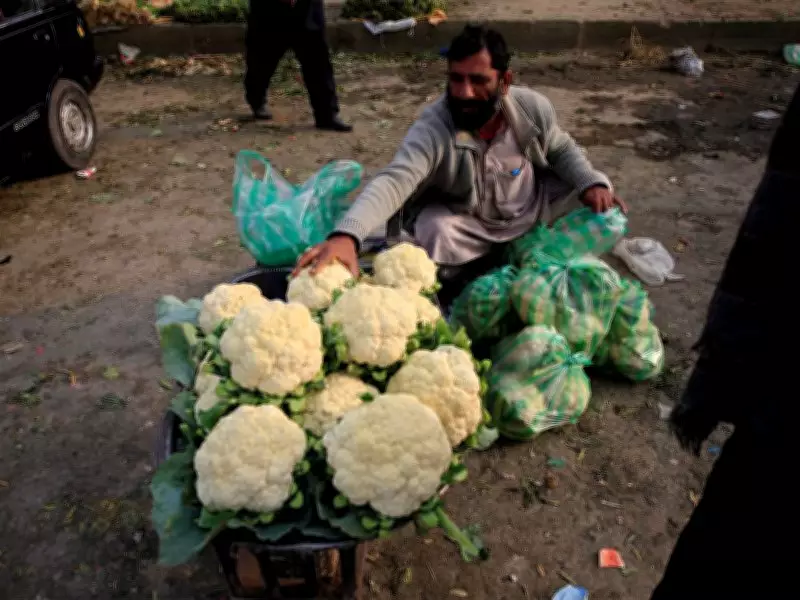
During Ramazan, prices for key items such as flour, sugar, cooking oil, and meat have skyrocketed in Lahore's markets. Reports indicate increases of up to 30-40% compared to pre-Ramazan levels, far exceeding normal inflation rates. This surge has placed an immense burden on low and middle-income families, who rely on these goods for daily sustenance and special iftar meals.
Governance Failures and Market Regulation
The price spiral exposes deep-seated issues in Pakistan's market control mechanisms. Authorities have been criticized for inadequate enforcement of price caps and poor monitoring of supply chains. Factors contributing to the crisis include hoarding by traders, supply disruptions, and a lack of effective regulatory oversight. These governance failures have allowed profiteering to flourish, undermining public trust in economic management.

Impact on Citizens and Social Unrest
The economic strain has led to widespread frustration among Lahore's residents, with many expressing anger over the government's inability to curb inflation. Social media platforms and local protests have highlighted stories of families cutting back on meals or skipping essential purchases. This situation risks exacerbating social tensions during a period traditionally focused on charity and community solidarity.
Broader Implications for Pakistan's Economy
Beyond Lahore, this price spiral reflects broader economic challenges in Pakistan, including high inflation, currency devaluation, and fiscal deficits. Weak market control in urban centers like Lahore signals systemic issues that could affect other regions, potentially leading to nationwide economic instability if unaddressed.
Call for Immediate Action
Experts and civil society groups are urging the Pakistani government to implement immediate measures, such as strengthening price monitoring, cracking down on hoarding, and improving supply chain logistics. Long-term solutions may involve policy reforms to enhance market transparency and resilience against future crises.
In summary, Lahore's Ramazan price spiral serves as a stark reminder of the critical need for robust market control and effective governance in Pakistan to protect citizens' economic well-being.