

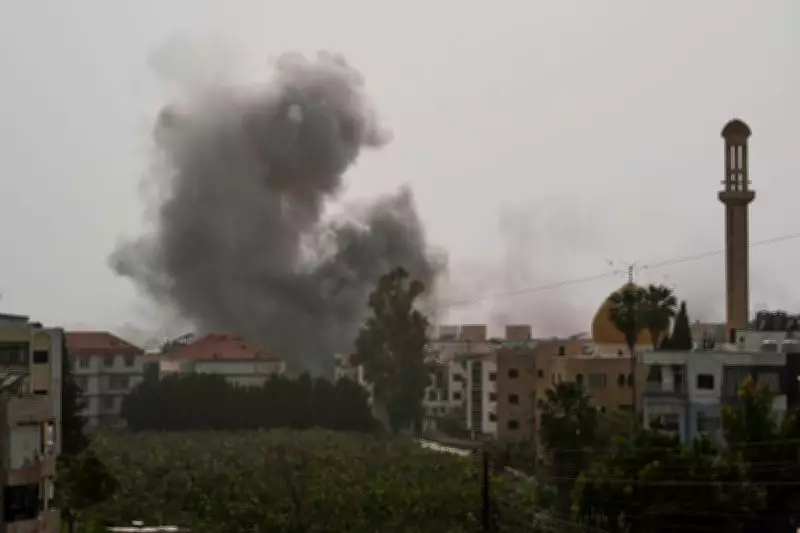
Displaced by War, Lebanon's Christians Mark Easter Far From Homes and Churches
The ongoing conflict in Lebanon has forced many Christian communities to observe Easter this year in displacement, far from their traditional homes and places of worship. This situation underscores the profound impact of regional wars on religious practices and the daily lives of civilians.
Easter Celebrations Amidst Displacement
In Lebanon, where Christians form a significant minority, the Easter holiday is typically marked by gatherings in churches and family homes. However, due to the escalating violence and instability, numerous families have been compelled to flee their residences, seeking refuge in safer areas. As a result, this year's Easter observances are taking place in temporary shelters, rented accommodations, or with host families, rather than in the familiar settings of their own communities.
Impact on Religious Traditions
The displacement has disrupted not only the physical aspects of Easter celebrations but also the spiritual and communal elements. Many churches in conflict-affected regions have been damaged or rendered inaccessible, forcing worshippers to adapt their rituals. Some communities have organized makeshift services in alternative locations, while others rely on digital platforms to connect with their faith. This adaptation highlights the resilience of Lebanon's Christians in maintaining their religious identity despite the challenges posed by war.

The broader context of this displacement is linked to the regional conflicts that have spilled over into Lebanon, exacerbating existing political and economic crises. The war has led to widespread destruction of infrastructure, including homes and religious sites, contributing to a humanitarian situation that affects all segments of the population.
Humanitarian and Social Consequences
Beyond the religious implications, the displacement of Lebanon's Christians during Easter reflects the larger humanitarian crisis in the country. Families are grappling with loss of property, livelihood, and a sense of community. The psychological toll of being uprooted from one's home is particularly acute during holidays, which are traditionally times of reunion and celebration.
International observers have noted that the situation in Lebanon is part of a wider pattern of conflict-induced displacement in the Middle East, affecting various religious and ethnic groups. The plight of Christians in Lebanon serves as a poignant example of how wars can erode cultural and religious freedoms.
Looking Ahead
As Lebanon's Christians navigate this difficult period, there are calls for increased support from both local and international organizations to address their needs. Efforts are underway to provide aid, such as food, shelter, and psychological support, to displaced families. Additionally, there is a growing emphasis on preserving religious heritage and ensuring that communities can eventually return to their homes and rebuild their lives.
In conclusion, the observance of Easter by displaced Christians in Lebanon is a stark reminder of the human cost of war. It underscores the importance of peace and stability in allowing people to practice their faith and maintain their cultural traditions without fear or disruption.






