Maharashtra Grapples with 420 Fatalities in Human-Wildlife Conflicts
The state of Maharashtra has witnessed a distressing surge in human-wildlife conflicts, resulting in 420 tragic deaths over a five-year period from 2019 to 2023. This alarming statistic underscores the escalating tensions between expanding human settlements and the natural habitats of wild animals, particularly in forested and rural regions.
Breakdown of Fatal Incidents by Wildlife Species
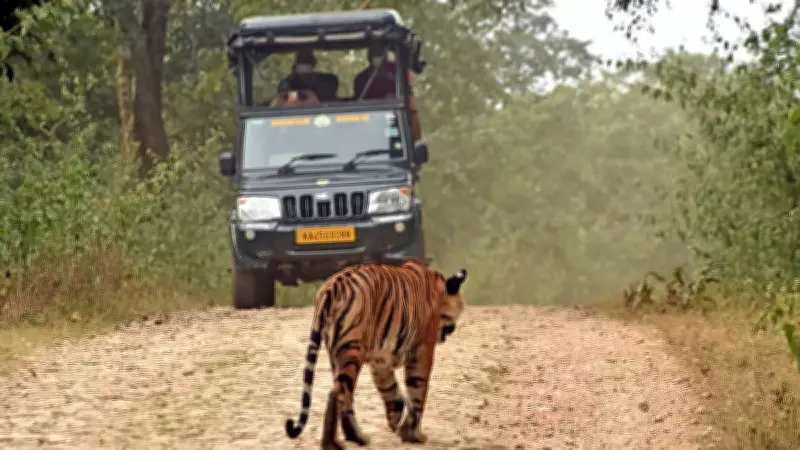
According to official data presented in the state assembly, the majority of these fatalities are attributed to encounters with large predators. Tigers were responsible for 180 deaths, making them the leading cause, while leopards accounted for 105 fatalities. Other dangerous animals contributing to the death toll include wild boars, elephants, and sloth bears, highlighting the diverse range of wildlife involved in these conflicts.
Regional Hotspots and Vulnerable Areas
The conflicts are not uniformly distributed across Maharashtra but are concentrated in specific high-risk zones. Districts with dense forest cover and those bordering protected wildlife sanctuaries have reported the highest number of incidents. These areas often see increased animal movement due to habitat fragmentation, leading to more frequent and dangerous interactions with local communities.

In response to this critical situation, the Maharashtra government has outlined a multi-faceted approach to reduce human-wildlife conflicts. Key initiatives include:
- Enhancing compensation schemes for victims and their families to provide financial support and acknowledge the losses suffered.
- Implementing advanced early warning systems, such as sensor-based alerts and community patrols, to prevent unexpected animal encounters.
- Promoting habitat restoration projects to create safer corridors for wildlife, reducing the need for animals to venture into human-dominated landscapes.
- Increasing public awareness campaigns to educate residents on safety measures and coexistence practices with local wildlife.
Underlying Causes and Environmental Factors
Experts point to several root causes driving these conflicts, including deforestation, urban expansion, and climate change impacts that alter animal behavior and migration patterns. The encroachment of human activities into traditional wildlife territories has significantly heightened the risk of confrontations, necessitating urgent and sustainable solutions.
Future Outlook and Conservation EffortsMoving forward, Maharashtra aims to balance development with ecological preservation through stricter enforcement of wildlife protection laws and collaborative efforts with conservation organizations. The state's focus is on fostering a harmonious relationship between humans and wildlife, ensuring both community safety and biodiversity conservation for generations to come.