Mumbai: Maharashtra has emerged as the pioneer state in adopting the cutting-edge Bharat Forecast System (BharatFS), a weather forecasting technology developed by the Indian Institute of Tropical Meteorology (IITM) in Pune. This system represents a significant leap forward in meteorological capabilities.
Enhanced Resolution and Accuracy
The Bharat Forecast System can generate detailed and high-quality weather forecasts for an area of 6 km by 6 km. This is a major improvement over the previous 12 km by 12 km forecasts. The new system will be able to provide weather information down to the gram panchayat and sub-taluka levels, enabling more localized and precise predictions.
Real-Time Updates and Data
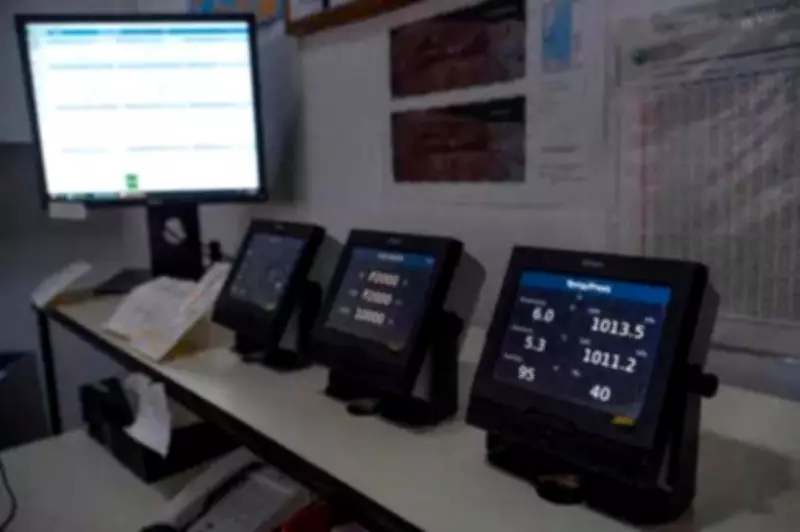
With BharatFS, weather information will be updated every three hours. Data on precipitation, maximum and minimum temperatures, atmospheric pressure, wind speed and direction, and cloud cover will be available in near real time. According to a government press release, “BharatFS will enable faster and more effective preparedness for disasters such as heat waves, heavy rains, storms, floods, and landslides.”

Collaboration for Disaster Management
Maharashtra’s Minister for Disaster Management, Girish Mahajan, announced that the Maharashtra State Disaster Management Authority (SDMA) has signed a memorandum of understanding (MoU) with IITM to “significantly enhance the state’s disaster preparedness and response capacity to weather-related disasters such as heavy rainfall.” Dr Bhalchandra Chavan, Director of the State Disaster Management Authority, stated, “This collaboration will directly put scientific weather information in the hands of the district administration and local bodies.”
Implementation and Integration
The indigenous BharatFS, developed under the central government’s India Meteorological Department’s Mission Mausam, will now be integrated into the state’s decision-making processes. It will be implemented through the State Emergency Operations Centre (SEOC) and the Geo-Spatial Decision Support System (GeoDSS).
El Nino Concerns
Chief Minister Devendra Fadnavis also highlighted that the effects of El Nino are likely to be felt more acutely in West Vidarbha and Marathwada regions, underscoring the importance of the new forecasting system in mitigating climate-related risks.