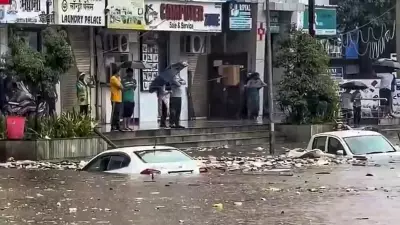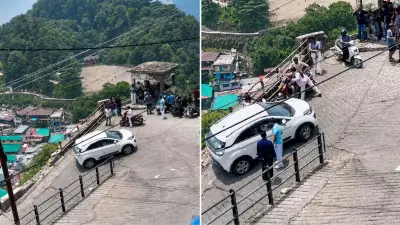
Lonavala, a popular hill station in Maharashtra, experienced a catastrophic rainfall event on July 19, 2023, with 582 mm of rain recorded in a single day. Meteorologists have classified this as a 1-in-1000-year event, meaning such extreme precipitation statistically occurs only once in a millennium. The deluge triggered flash floods, landslides, and widespread disruption across the region.
Record-Breaking Rainfall and Immediate Impact
The Indian Meteorological Department (IMD) confirmed that Lonavala received 582 mm of rain in the 24 hours ending at 8:30 AM on July 20. This broke the previous record of 480 mm set in 2014. The intensity of the rainfall overwhelmed drainage systems, leading to waterlogging in low-lying areas. Roads were submerged, and several villages were cut off as bridges and culverts were damaged. At least three people were reported dead due to rain-related incidents, including landslides in nearby hill slopes.
According to Dr. K. S. Hosalikar, head of the IMD's Climate Research and Services, the rainfall was unprecedented. He stated, "This is a rare event, with a return period of over 1,000 years. We are analyzing the data to understand the role of climate change in amplifying such extreme weather." The IMD had issued a red alert for the region, warning of heavy to very heavy rainfall, but the actual precipitation exceeded forecasts.

Wider Regional Effects and Rescue Operations
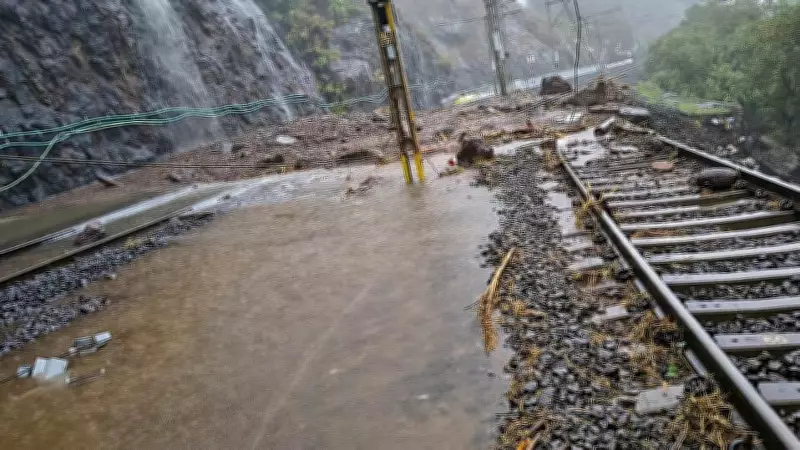
The heavy rains also affected neighboring areas like Khandala and Matheran. The Mumbai-Pune Expressway, a vital arterial road, was closed for several hours due to waterlogging and debris on the tracks. Local train services on the Mumbai-Pune route were suspended as water levels rose above the rails. The National Disaster Response Force (NDRF) and local authorities launched rescue operations, evacuating over 1,500 people from vulnerable settlements. Temporary relief camps were set up in schools and community halls, providing food and medical aid to displaced families.
Maharashtra Chief Minister Eknath Shinde conducted an aerial survey of the affected areas and announced compensation of Rs 4 lakh each for the families of the deceased. He also directed officials to expedite restoration work, including clearing landslides and restoring power and water supply. The state government deployed additional teams to clear debris and reopen roads. The IMD predicted that heavy rainfall would continue for another 24-48 hours, keeping the region on high alert.
Scientific Analysis and Climate Context
Climate scientists have linked the extreme rainfall event to a combination of factors, including a strong monsoon trough and a low-pressure area over the Bay of Bengal. The warming of the Arabian Sea due to climate change has increased moisture availability, intensifying rainfall events. Dr. Roxy Mathew Koll, a climate scientist at the Indian Institute of Tropical Meteorology, noted, "The frequency of 1-in-100-year events is increasing. What was once a rare occurrence is becoming more common due to global warming." The Lonavala event underscores the growing vulnerability of urban and peri-urban areas to climate-induced disasters.
Experts also pointed out that rapid urbanization in the Western Ghats, including construction on slopes and deforestation, has exacerbated the risk of landslides and flooding. The hill station's drainage infrastructure was not designed to handle such extreme precipitation, leading to severe waterlogging. The state government has been urged to revise building norms and invest in climate-resilient infrastructure to mitigate future risks.
Government Response and Long-Term Measures
The Maharashtra government has announced a comprehensive review of disaster preparedness in the Western Ghats. Chief Minister Shinde stated, "We are working on a long-term plan to improve drainage systems, strengthen early warning mechanisms, and restrict construction in ecologically sensitive zones." The state also plans to deploy automatic weather stations and rain gauges in vulnerable areas to provide real-time data. Meanwhile, the IMD is developing impact-based forecasts to better communicate risks to the public.

The Lonavala rainfall event serves as a stark reminder of the escalating impacts of climate change. As extreme weather becomes more frequent, governments and communities must adapt rapidly to protect lives and livelihoods. The 1-in-1000-year label, once a statistical rarity, now warns of a new normal in a warming world.