Russia's Stark Nuclear Warning to NATO Over Ukraine Conflict
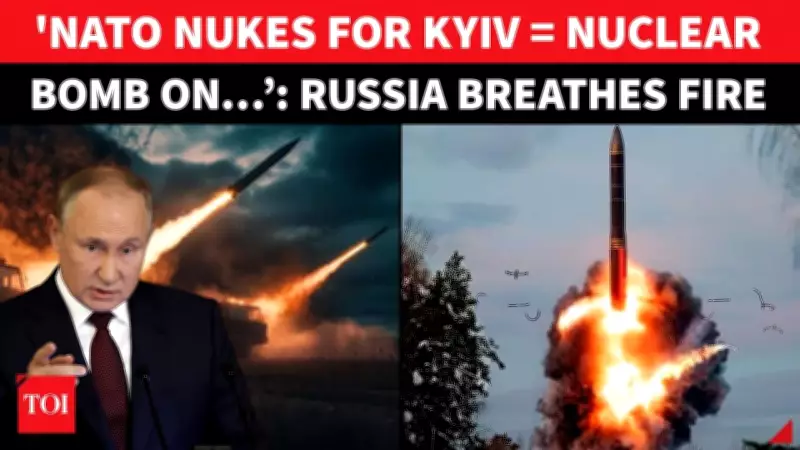
In a dramatic escalation of geopolitical tensions, former Russian President and current Security Council Deputy Chairman Dmitry Medvedev has issued a severe nuclear warning to NATO member states. Medvedev explicitly stated that Russia would respond with nuclear force if any NATO country transfers atomic weapons or related components to Ukraine.
Intelligence Claims Spark Heightened Rhetoric
Medvedev's alarming remarks follow recent allegations from Russia's Foreign Intelligence Service, which claims that the United Kingdom and France are actively considering covert assistance programs involving nuclear technologies for Ukraine. The Russian official described such potential actions as nothing less than a "direct transfer of nuclear weapons to a country at war," emphasizing that this would fundamentally transform the nature of the ongoing conflict.
Medvedev warned: "Any transfer of nuclear weapons or components to Ukraine would represent a qualitative escalation that Moscow cannot ignore. We would be compelled to respond with appropriate measures, potentially including non-strategic nuclear options."

Strategic Implications and Moscow's Red Line
The Russian warning establishes a clear red line in the Ukraine conflict, suggesting that Moscow views nuclear weapons transfers as crossing a threshold that would trigger immediate and severe consequences. Medvedev's statement represents one of the most explicit nuclear threats Russia has issued since the beginning of the conflict, raising concerns about potential miscalculation and escalation.
Analysts note that this warning comes amid increasing Western support for Ukraine, though NATO countries have consistently denied any plans to provide nuclear weapons. The Russian intelligence claims about UK and French involvement remain unverified by independent sources, but have nonetheless prompted this forceful response from Moscow.
Broader Context of Nuclear Posturing
This development occurs within a complex landscape of nuclear diplomacy and strategic positioning:
- Russia has previously suspended participation in the New START nuclear arms control treaty
- Multiple NATO countries possess nuclear weapons under sharing arrangements
- Ukraine voluntarily gave up its nuclear arsenal in 1994 in exchange for security assurances
- The conflict has already seen concerns about nuclear facility security
The explicit nature of Medvedev's warning suggests Moscow is attempting to deter what it perceives as dangerous escalation by Western powers. However, NATO officials have repeatedly stated their commitment to avoiding direct confrontation with Russia while continuing to support Ukraine's defense against what they characterize as illegal aggression.
As tensions continue to mount, the international community watches closely for any developments that might cross the nuclear threshold Medvedev has so starkly defined. The warning serves as a sobering reminder of the high stakes involved in the Ukraine conflict and the delicate balance required to prevent catastrophic escalation.