

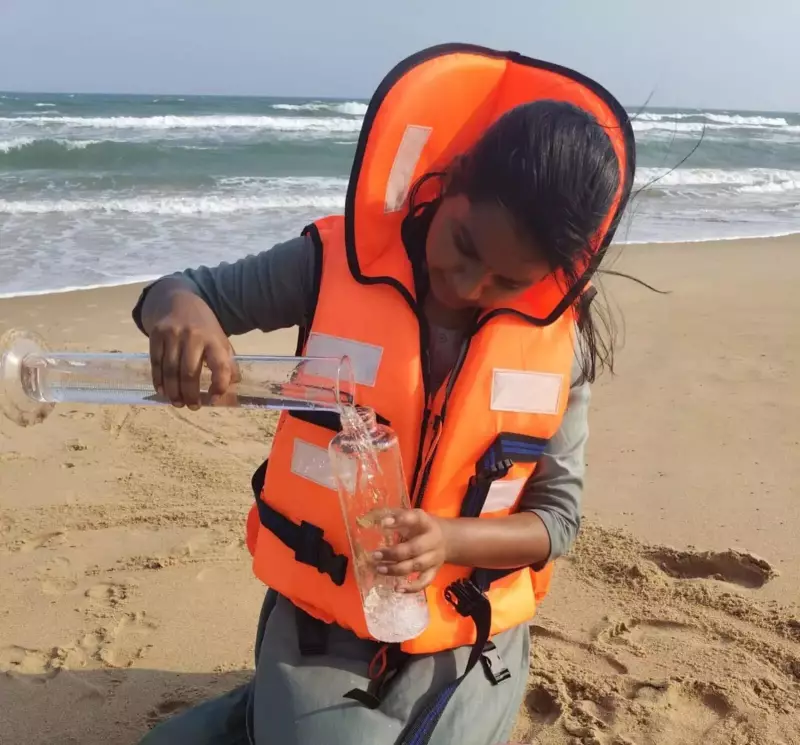
A startling new environmental study has uncovered a silent but deadly threat lurking in the waters of Ganjam district - widespread microplastic pollution that's putting the entire marine ecosystem at risk.
The Invisible Danger Beneath the Waves
Recent scientific investigations have revealed alarming concentrations of microplastics contaminating the marine environment along Ganjam's coastline. These tiny plastic particles, often invisible to the naked eye, are creating a massive environmental crisis that could have far-reaching consequences for both marine life and human populations.
What the Research Uncovered
The comprehensive study examined multiple aspects of the marine ecosystem and found:

- Significant microplastic accumulation in water samples from various coastal locations
- Dangerous plastic particle concentrations in sediment samples from the seafloor
- Evidence of microplastic ingestion by various marine organisms
- Potential contamination moving up the food chain toward human consumption
Why This Matters for Everyone
Microplastic pollution isn't just an environmental issue - it's a public health concern. These tiny particles can accumulate toxins and transfer them through the food web, eventually reaching humans who consume seafood. The study highlights the urgent need for:
- Immediate pollution control measures
- Enhanced waste management systems
- Public awareness campaigns about plastic use
- Policy interventions to reduce plastic waste
The Bigger Picture
This research serves as a crucial warning sign for coastal regions across India. Ganjam's situation reflects a global problem that demands immediate attention and action from government bodies, environmental organizations, and local communities alike.
The findings underscore the critical importance of sustainable practices and proper waste disposal to protect our precious marine resources for future generations.






