Groundbreaking Study Exposes Widespread Microplastic Pollution in Delhi's Water Systems
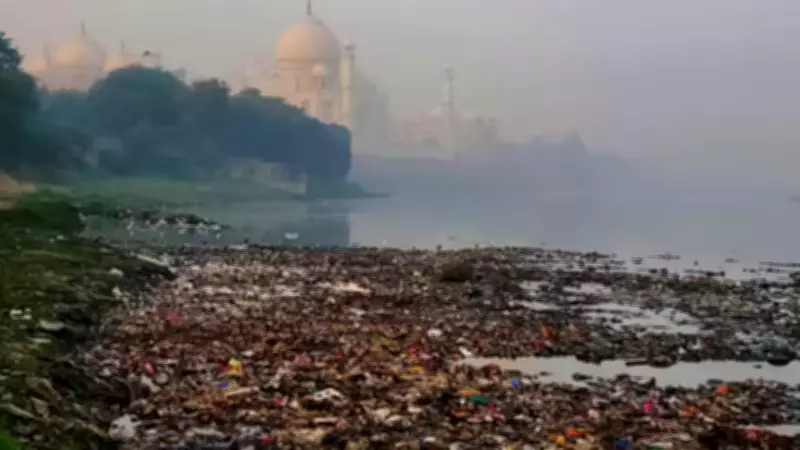
A first-of-its-kind scientific investigation has revealed "widespread contamination" linked to microplastics in the Yamuna River, open drains, floodplain soil, and even groundwater across Delhi. The comprehensive study, conducted before monsoon rains arrived, paints a concerning picture of persistent plastic pollution infiltrating multiple environmental compartments in India's capital region.
Comprehensive Research Methodology and Key Findings
The 'Study on Microplastics in River Yamuna and Groundwater in Delhi (2024–25)' was commissioned by the Delhi government and led by Dr. Nupur Bahadur of The Energy and Resources Institute (TERI). Researchers examined 49 strategic locations throughout the city to assess the extent of microplastic contamination. Microplastics, defined as plastic particles smaller than 5 millimeters, are particularly concerning because they persist in the environment and can absorb toxic chemicals, creating significant ecological hazards.
The investigation revealed that microplastic concentrations in the Yamuna River averaged 6,375 particles per cubic meter during the pre-monsoon period (May–June 2024). This alarming level dropped significantly to 3,080 particles per cubic meter after the monsoon rains (December 2024–January 2025), representing a nearly 50% reduction. Open drains such as Najafgarh and Shahdara showed an even more dramatic 60% decrease—from approximately 7,500 particles per cubic meter to about 3,000 particles per cubic meter.

Rainfall Impact: Shifting Pollution from Water to Land
Researchers attribute the post-monsoon decline in water contamination to rainfall-driven dilution and flushing effects. However, this improvement in water quality came with a troubling consequence: a corresponding spike in contamination along riverbanks. Microplastic concentration in bank soil increased dramatically from an average of 24.5 particles per kilogram before the monsoon to 104.5 particles per kilogram after the rains.
This finding suggests that while monsoon rains may temporarily improve water quality through dilution, they effectively shift the pollution burden onto land, potentially creating longer-term environmental challenges in floodplain areas.
Groundwater Contamination and Vulnerability Zones
Perhaps most concerning is the study's revelation about groundwater contamination. Samples collected from 42 different sites showed relatively stable microplastic levels, averaging around 1,200 particles per cubic meter in both pre- and post-monsoon seasons. While this indicates limited short-term fluctuation, it confirms the persistent presence of microplastics in subsurface water sources that many Delhi residents rely upon.
The investigation identified ten major vulnerability zones across the city where contamination is particularly pronounced. These areas include Najafgarh, Tilak Nagar, Saket–Vasant Kunj, Kalkaji, Karol Bagh, Naraina, ITO Barrage, Okhla, Ghazipur, and Bhalswa. These zones are characterized by dense residential clusters, industrial activity, landfill sites, and medical facilities—all potential sources of plastic pollution.
Microplastic Composition and Health Implications
The study found that microfibres constitute nearly 95% of all detected particles, overwhelmingly dominating the contamination profile. This points toward domestic laundry effluents and textile-related sources as key contributors to the pollution problem. Among the contaminants identified were particles from PET (commonly used for bottles), HDPE (for containers and mugs), LDPE (polybags and films), and PVC materials.
Satish Sinha from Toxic Links emphasized the health implications, stating, "There are standards for total dissolved solids, but there is no specific standard for microplastics in water or soil. What goes into the human body can go through water, food, and air as well. It causes a tremendous amount of harm." While no specific global standards exist for microplastic contamination in water or soil, experts agree that the volumes found in this study are high and potentially hazardous to both ecological systems and human health.

Recommendations for Monitoring and Mitigation
The report concludes with several critical recommendations to address the growing microplastic pollution crisis. These include establishing a real-time plastic pollution monitoring dashboard for better tracking and management, implementing monthly microplastic testing at major drains throughout the city, and upgrading advanced filtration systems at sewage and effluent treatment plants to capture these tiny plastic particles before they enter water systems.
This comprehensive study represents a significant step forward in understanding the scope and scale of microplastic pollution in urban Indian environments. As plastic production and consumption continue to rise globally, such research provides essential data for policymakers, environmental agencies, and public health officials working to mitigate the impacts of this emerging environmental threat.